make preferable
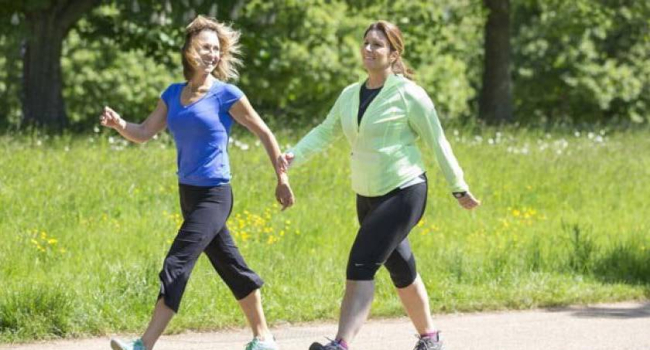
Increasing the number of daily steps may help remote and hybrid employees become more productive by reducing stress, according to a new study by researchers at University of Tsukuba. The findings were published in the American Journal of Health Promotion.
Since the COVID-19 pandemic, remote and hybrid work arrangements have become increasingly common. While these work models reduce commuting time and offer greater flexibility, they also tend to blur the boundaries between work and personal life, increase sedentary behavior, and reduce everyday physical activity. Together, these changes may contribute to higher stress levels and lower work performance.
The study involved 100 Japanese employees who worked remotely at least one day per week. Researchers assessed their physical activity levels, stress responses, and workplace productivity.
The results showed that participants who took more daily steps experienced lower levels of stress. In turn, lower stress was associated with higher productivity. Statistical analysis revealed that the positive effect of daily step count on work performance was indirect, operating through reduced stress.
Notably, other measures of physical activity did not show the same relationship. Light physical activity, moderate-to-vigorous exercise, and total sitting time were not significantly associated with improved productivity through stress reduction.
The findings suggest that regular walking throughout the day—rather than structured exercise sessions or overall activity levels—may play a particularly important role in reducing stress and enhancing productivity among people working remotely or in hybrid settings.