
 make preferable
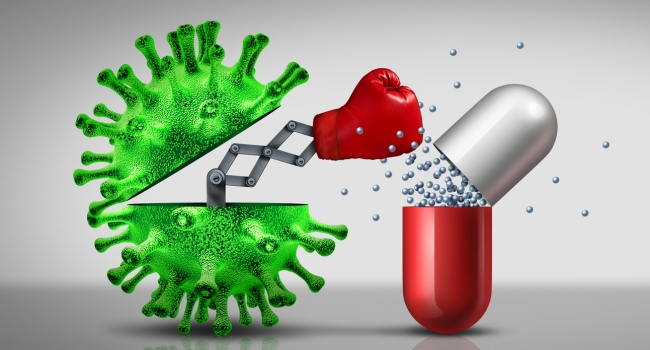
When bacteria come under attack from antibiotics, they do not act according to the principle of “every cell for itself.” Researchers at Baylor College of Medicine and their colleagues have discovered that bacterial populations work together to survive antibiotic treatment. The study, published in the journal Science, shows that bacteria pool their resources to help dormant cells stay alive. The findings explain why some bacteria are so difficult to eradicate and suggest new strategies for improving the effectiveness of antibiotics.
“Antibiotics are designed to kill bacteria or stop their growth. However, in many cases, a small group of survivors remains after treatment,” said co-senior and corresponding author Dr. Christophe Herman, professor of molecular and human genetics and of molecular virology and microbiology at Baylor College of Medicine. “These survivors are not genetically resistant. Instead, they temporarily shut down certain metabolic processes, entering a dormant, hibernation-like state that allows them to withstand treatment and later recover. Understanding how these bacteria survive and persist in the body is a major challenge in combating chronic infections.”
Scientists have long known that bacteria can help one another resist antibiotics by exchanging genes that confer antibiotic resistance. In the new study, Herman and his colleagues investigated whether bacteria could also directly exchange proteins—the molecular machines responsible for carrying out most cellular functions. Previous studies had suggested that such protein transfer might occur, but experimental evidence had been limited.
“To detect protein transfer, we developed a highly sensitive system using Escherichia coli,” explained first author Alice Yixuan Wen. “We engineered one group of bacteria (donors) to produce a special enzyme called Cre, and another group (recipients) to carry a genetic ‘switch’ that could only be activated if the Cre protein entered the recipient cells.”
Using this system, the researchers found that protein transfer occurred when donor and recipient bacteria were grown together, although it was rare under normal conditions. However, when the bacteria were exposed to low, non-lethal doses of antibiotics, protein transfer increased by several thousand-fold.
“We then investigated how proteins moved from one cell to another,” Wen said. “We found that protein transfer still occurred even after donor cells had been removed, leaving only the liquid in which they had been grown. This ruled out direct cell-to-cell contact and indicated that the proteins had been released into the surrounding environment.”
By combining biochemical techniques with advanced microscopy, the team discovered that the proteins were transported inside tiny structures known as membrane vesicles. These vesicles are small bubble-like fragments that bud off from the bacterial membrane and float freely in the surrounding environment.
Closer examination revealed that recipient cells displayed clear signs of dormancy: they slowed protein production, reduced metabolic activity, and activated persistence-related genes such as HipA.
“Recipient cells with high HipA activity were more likely to take up protein-containing vesicles and survive antibiotic treatment,” Wen explained. “When HipA was removed, both protein uptake and cell survival decreased.”
The transferred proteins also enabled dormant bacteria to survive exposure to otherwise lethal doses of antibiotics. Increasing the concentration of vesicles before antibiotic treatment significantly improved bacterial survival. The findings suggest that the transferred proteins help dormant cells cope with stress while their own protein production remains temporarily shut down.
“Our study shows that antibiotics drive a genetically identical bacterial population to differentiate into two distinct groups,” Herman said. “One group becomes donor cells that respond by releasing protein-filled vesicles, while the other becomes dormant recipient cells capable of absorbing proteins from those vesicles, helping them survive. This remarkable teamwork allows vulnerable members of the bacterial population to withstand a lethal antibiotic attack.”
The researchers are now working to identify the specific proteins within these vesicles that promote bacterial persistence. Understanding how donor and recipient bacteria cooperate could open new avenues for treating chronic and persistent bacterial infections.





