
 make preferable
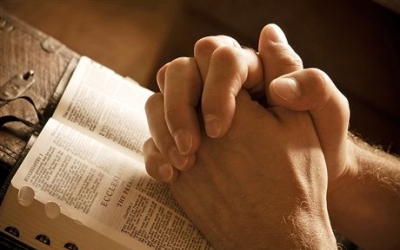
For the devout, there never has been any question that prayer has the power to heal.
Now, more and more medical research from leading hospitals and universities across the U.S. has shown conclusively a belief in God really IS good for you, making you healthier and happier, and helping you live longer. “Studies have shown prayer can prevent people from getting sick — and when they do get sick, prayer can help them get better faster,” Duke University’s Harold G. Koenig, M.D., tells Newsmax Health. An exhaustive analysis of more than 1,500 reputable medical studies “indicates people who are more religious and pray more have better mental and physical health,” Dr. Koenig says. “And out of 125 studies that looked at the link between health and regular worship, 85 showed regular churchgoers live longer. “There’s a lot of evidence out there.” Dr. Koenig — director of Duke’s Center for Spirituality, Theology and Health and the author of several authoritative books on faith and healing — says a striking study published in the Southern Medical Journal demonstrated that prayer has a remarkable effect on patients with hearing and visual deficiencies. After prayer sessions, “They showed significant improvements based on audio and visual tests,” Dr. Koenig said. He added: “The benefits of devout religious practice, particularly involvement in a faith community and religious commitment, are that people cope better. In general, they cope with stress better, they experience greater well-being because they have more hope, they're more optimistic, they experience less depression, less anxiety, and they commit suicide less often. “They have stronger immune systems, lower blood pressure, and probably better cardiovascular functioning.”
The American Journal of Public Health studied nearly 2,000 older Californians for five years and found that those who attended religious services were 36 percent less likely to die during that period than those who didn’t. A study of nearly 4,000 older adults for the U.S. Journal of Gerontology revealed that atheists had a significantly increased chance of dying over a six-year period than the faithful. Crucially, religious people lived longer than atheists even if they didn’t go regularly to a place of worship.





