make preferable
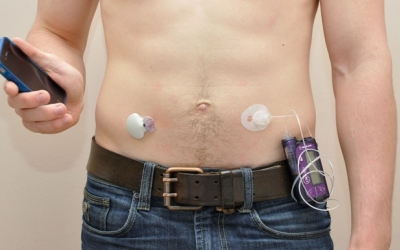
Human tests of an artificial pancreas are set to begin in 2016 and the first implants could take place within a decade, according to British scientists, Newsmax Health reports.
They said the wristwatch-sized device is surgically implanted in the abdomen and releases insulin into the bloodstream.
The insulin supply in the first-of-a-kind implant is controlled by a gel barrier. When a user's blood sugar levels rise, the gel liquefies and releases the insulin. When sugar levels drop, the gel hardens again. Insulin is added to the device's reservoir every two weeks.
"The device will not only remove the need to manually inject insulin, but will also ensure that perfect doses are administrated each and every time," said Joan Taylor, professor of pharmacy, the Daily Mail reported. "By controlling blood glucose so effectively, we should be able to help reduce related health problems."
The researchers said the implant could help all people with type 1 diabetes and those with type 2 diabetes who require insulin injections.
"This device is cheap and simple to use," Taylor said. "It has the potential to bring an end to the misery of daily injections for diabetics."