make preferable
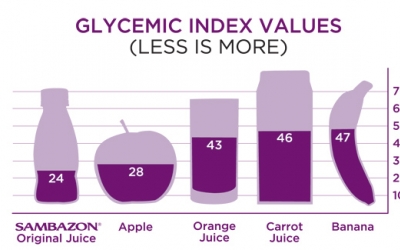
Normally, low-carb and high-scoring diet items on the glycemic index or GI scale are digested faster, resulting in a sudden spike in blood sugar levels after a meal, Newsmax Health reports. Low-scoring diet food items, on the other hand, take a longer time to break down. As a result, small but controlled amounts of sugar enter into the blood.
For a diabetic, blood sugar is critically important. As a diabetic’s body cannot make sufficient insulin, a diabetic has to take external insulin or drugs to provide the same action. Consuming foods high on the glycemic index means that a sudden surge of sugar enters into the blood and the body cannot produce enough insulin to convert this sugar into energy. Without the action of insulin or drugs, blood sugar levels in a diabetic can increase dangerously, causing serious health problems. With these scores, it is possible for a nutritionist to use the glycemic index to plan a diabetic’s diet and improve blood sugar control.
Almost every food and nutrition website offers detailed glycemic index and glycemic load tables online. A diabetic can refer to the tables to set up an effective diet plan. As a quick guide, diabetics should know the following simple groups:
High-glycemic-index foods have GI scores of 70 and more: Almost all processed, high carb, and white diet foods are present in this category. White bread, white rice, potatoes, cake, etc. should be consumed in moderation. Pasta and noodles also fall in the same high-carb food range and should be consumed in moderation.
Medium-glycemic-index foods with scores of 56 to 69: This diet group contains starchy, sweet fruits and vegetables like sweet corn, pineapple, papaya, bananas, etc.
Low-glycemic-index foods with a score of 55 and under: Almost all fresh low-sugar fruits and vegetables like peas, kidney beans, carrots, apples, grapefruit, lentils, etc. are present in this group.
To ensure stable blood sugar levels, nutritionists will restrict the amount of high-carb foods in a diabetic’s diet and will recommend an increased dietary intake of low-carb foods and fresh leafy vegetables, lentils, grains like oats, barley and bran, and low-sugar, high-water fruits.