make preferable
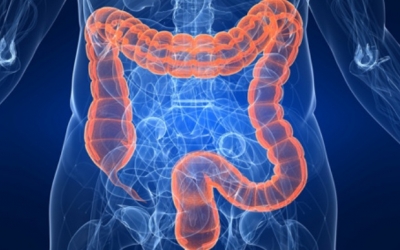
It’s not the most pleasant of topics — or experiences — but it is also much more common than you might think. For example, in a 2012 study, nearly 19 percent of women surveyed reported an episode of accidental loss of gas or stool.
You can take steps to control accidental bowel leakage, Cleveland Clinic reports.
Accidental bowel leakage affects men and women who have chronic diarrhea, as well as the aging population because the muscles involved in bowel control weaken over time. It also affects many women after childbirth — particularly those with an injury to the muscles and nerves in the pelvic floor.
Sometimes there are unexpected causes, too. For example, both hemorrhoids and rectal prolapse — a condition in which the lower part of the bowel extends outside the anus — can cause leakage. In these cases, your doctor will need to treat the underlying issues rather than the leakage itself.
Many people improve simply from treating diarrhea with antidiarrheal medications or taking probiotics to improve gut health. In addition, taking fiber to “bulk up” your stool can be helpful. However, if your diarrhea is chronic and frequently leads to an accident, your doctor needs to know. It could be a sign of a deeper problem, such as inflammatory bowel disorder.
For structural issues such as injuries after childbirth, we often recommend Kegel exercises. This series of exercises relaxes and contracts the pelvic floor muscles that are responsible for bowel control. In fact, these exercises are often helpful for women before giving birth to help prepare their bodies and, ideally, avoid accidental bowel leakage later.
When the cause of accidental bowel leakage is more severe — such as damaged muscles and nerves — we have to treat it more aggressively.
But a growing population of patients with accidental bowel leakage can be treated without surgery. Options include:
Solesta, an injection that bulks the anal canal and decreases bowel leakage
Secca, a simple electrical stimulation procedure that results in tissue contractions that strengthen the anal muscles.
Interstim, a “pacemaker” device we implant to stimulate the nerves of the lower back that sense an imminent bowel movement. Interstim also helps treat urinary incontinence.