make preferable
Swapping soda for a pressed juice. Choosing whole-wheat toast over white bread. Grabbing a fiber bar before a tough workout. These seem like smart, healthy choices, right? Then why is it that the fiber bar leaves you with a bloated midsection or the juice (yes, the one with all the fruits and vegetables!) has you feeling sluggish? Turns out sometimes eating good-for-you food can cause some unpleasant side effects if you eat too much or aren't careful with when and how you consume them. If you find yourself gassy, tired, or puffy around the middle, take a peek at what's on your plate—it could be that one of these 5 foods ahead is the culprit.
Almond milk A favorite in the dairy aisle, this nut milk is a top choice for those who are lactose intolerant or looking to swap out dairy. It has as few as 30 calories per serving plus the bonus of being low in saturated fat and cholesterol, making it a heart-friendly option. But certain brands contain carrageenan, a thickening agent derived from seaweed that has been linked to digestive problems, including inflammatory bowel disease, said Katie Cavuto, RD, a Philadelphia-based nutritionist. The good news is that many brands don't include it, so check the ingredients list and choose one without it if you're experiencing discomfort.
Sugar-free candy Reaching for sweets that substitute the white stuff for an alternative may seem like the healthier choice, but for some people the swap can lead to a puffy midsection. The sugar alcohols (like sorbitol, manitol, anything ending in 'ol') are not digestible, Kirkpatrick said. "They cause bacteria to ferment in the intestine, causing gas, discomfort, and bloating."
Gum Chewing on a stick of gum could help keep teeth healthy and has even been shown to boost concentration, but the breath-freshening solution could be the sneaky culprit behind your bloat.
"When you're constantly chewing, you're also swallowing air which gets trapped in the intestines and causes gas and that uncomfortable feeling of fullness," Kirkpatrick said.
What's more, a 2008 German study revealed that the biggest sugarless gum-chewers—16 to 20 sticks a day—risked not only gas and bloating, but also severe diarrhea and unexpected weight loss, all thanks to sorbitol.
Pressed juice Packed with fruits and vegetables, this magical drink can deliver a ton of nutrients, all in one gulp. But some varieties can be a sneaky sugar trap since they ditch the pulp and skin where all the fiber lies.
"Without the fiber, the sugar in fruit and some vegetables causes your blood sugar to spike and fall," explained Kirkpatrick.
This sudden dip leaves you sleepy and hungry. Check out the labels of store-bought juices and choose those that go easy on the sugar. If you're juicing at home, throw in some veggies like kale or celery to offset the fruits' sugar. Better yet, blend a smoothie.
"You'll get in all the nutrients and keep filling fiber," she said.
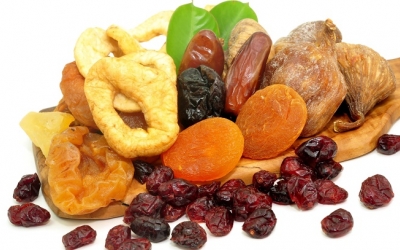
Dried fruit They're a better snacking alternative than most vending machine options, but if you don't watch the portion size, it can lead to some smelly results.
"All fruit has naturally occurring sugars called fructose, but when it's dried, the sugar ends up being more concentrated so there is more in a smaller amount," explained Kirkpatrick. "It also tends to have more fiber, and topping that with the extra sugar leads to more fermentation in the intestine, which can have you feeling gassy."
Dried fruit can still be a good-for-you treat and is a yummy add to everything from salads to muffins; just stick to a 1/4 cup serving at a time.