make preferable
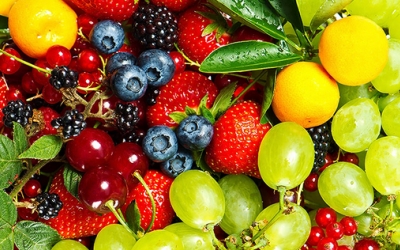
A diet rich in fruits and veggies can dramatically reduce your risk of developing heart disease — as well as stroke, diabetes, and even certain types of cancer.
Yet only 1 in 10 Americans eat the recommended five servings of fruits and vegetables every day — in part, because many just can't stomach the idea of choking down bowls and bowls of boring-but-good-for-you foods. But certified nutritionist Frances Largeman-Rothhas come up with a new strategy to get more fruit, vegetables, and whole grains into your diet that takes out the boredom and adds a splash of color.
In her new book, "Eating in Color: Delicious, Healthy Recipes for Your and Your Family,".
Largeman-Roth credits her daughter, Willa, with helping to inspire her diet strategy. As a toddler, Willa tended to eat a lot of colorless "very beige" foods — chicken, plain pasta, cheese. So to get her to vary her diet, Largeman-Roth made it a game to add more colorful foods to her plate.
But Largeman-Roth's dietary recommendations aren't for kids only. What follows is a guide to "Eating in Color" that details the benefits provided by each color family.
Reds: Fruits and vegetables in this color family contain — tomatoes, peppers, raspberries, strawberries, watermelon, radishes, beets, pomegranates, radicchio, rhubarb, cherries, cranberries, red apples, and red onions — contain high levels of the antioxidant vitamin C, potassium, and fiber. These are important nutrients that boost heart health, lower "bad" cholesterol, maintain normal blood pressure, and fight damage caused by free radicals throughout the body. "
Oranges and yellows: The orange family members — including apricots, squash, pumpkins, orange peppers, sweet potatoes, mangos, peaches, cantaloupe, carrots, and (of course) oranges — are all rich in beta-carotene, which is converted to vitamin A in the body and is essential to a healthy immune system and a healthy reproductive system.
Blues, indigos, and violets: foods — including blueberries, blackberries, eggplant, plums, cabbage, prunes, figs, eggplant, purple potatoes, grapes, and purple carrots — contain high amounts of anthocyanins, which fight inflammation, reduce the risk of heart disease and cancer, and even boost memory and brainpower.
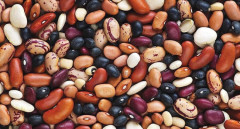
Blacks and tans: Rich in fiber and antioxidants, this color family — including whole grains, legumes, fruits, mushrooms, olives, chocolate, quinoa, black rice, freekah, beans, and seeds — can add flavor to meals and reduce your risk of diabetes and heart disease.
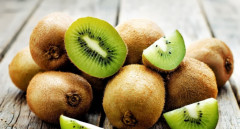
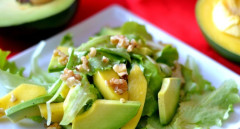
Greens: Many fruits and vegetables in the green family — kiwi fruit, avocado, broccoli, spinach, cucumbers, zucchini, kale, fennel, Brussels sprouts, asparagus, edamame, mustard greens, sugar snap peas, herbs, lime, and watercress — are loaded with fiber, and the iron, B-vitamin folate. An added bonus: They are fat-free and very low in calories. Most green vegetables are less than 50 calories per cup.
"Green is truly Mother Nature's favorite color," she says.