make preferable
From Bret Lashner, MD, gastroenterologist, Director of the Center for Inflammatory Bowel Disease and a Professor of Medicine at Cleveland Clinic
For some patients with irritable bowel syndrome (IBS), the right diet, along with attention to exercise, can control symptoms without medication.
For my patients, I often recommend a special diet of easily digestible food.
Lactose is found in milk and other soft dairy products like cottage cheese, cream cheese, ice cream and sour cream. Anyone can handle a very small amount of lactose, but if you eat more than your intestine can handle, you will get gas and abdominal pain. About half the population is born with low levels of lactase, which metabolized dietary lactose.
Fruits contain the sugar fructose, which can cause issues for IBS sufferers. Fructose is particularly high in apples and pears, and somewhat high in watermelon, concentrated fruit, dried fruit and fruit juice. Fruits with lower levels of fructose include bananas, citrus, grapes and berries.
Certain vegetables cause gas and abnormal bowel habits. Avoid cruciferous vegetables such as broccoli, cauliflower and cabbage. Vegetables that are good to eat include eggplant, green beans, celery, carrots, spinach and squash.
Legumes, or beans, are often called the “musical fruit” because they contain indigestible saccharides. IBS patients should avoid them, or eat them in very small quantities.
Polyols, sugar substitutes found in sugarless gum and candy, also can cause problems. It is perfectly fine to eat (in moderation, of course) good old-fashioned sugars; other artificial sweeteners that do not end in “ol,” such as NutriSweet®; and honey substitutes such as maple syrup, molasses and golden syrup.
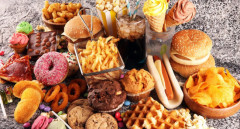
Sometimes IBS is treated with medications, but a change in diet is the first thing we try. A healthy lifestyle — with a low-fat diet, exercise and avoidance of alcohol and cigarette smoking — often makes a great difference.