make preferable
According to a recent study published by University of Melbourne researchers, the popularized Paleo Diet can lead to rapid weight gain and health complications.
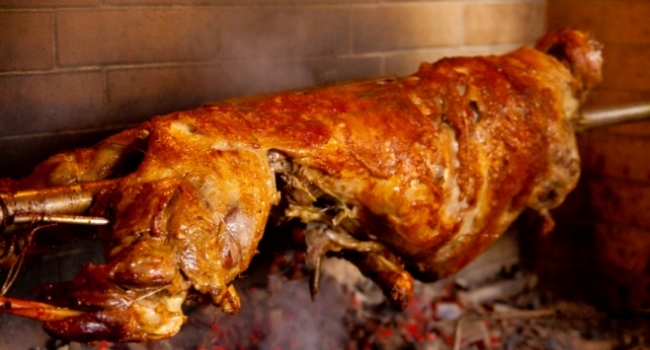
The Paleo Diet is often described as a “eating like a caveman diet” due to it promotes sticking to what our prehistoric ancestors ate—meat and fish, vegetables and fruits, nuts and seeds. The idea is that today’s modern man diet is high in processed foods that are blamed for an increase in diabetes, heart disease, cancer and obesity.
While there are several variations of the Paleo Diet, according to The Dr. Oz Show, they typically are based on eating:
• Non-starchy green leaf and colored veggies that are full of fiber and water. • Starchy vegetables and fruits limited to sweet potatoes, yams and plantains. Avoid white rice, potatoes and corn. • Healthy fats from avocadoes, coconut oil and olive oil. • Full fat diary such as milk, cottage cheese, cheese, etc. (1/2 cup or less) up to twice a day. • Legumes 3 times a week. • Muscle-building, protein-filled food such as steak, eggs, pork chops, turkey, fish and seafood.
The reason why the Paleo diet has rated so highly in past yearly reviews is that some people do lose significant weight, and the diet is backed by controlled clinical studies. However, according to a new study published in the Nature journal Nutrition & Diabetes, this diet is not for everyone—particularly for people who are already overweight and lead sedentary lifestyles states the study’s primary author Associate Professor Sof Andrikopoulos, a researcher at the University of Melbourne Department of Medicine.
“Low-carbohydrate, high-fat diets are becoming more popular, but there is no scientific evidence that these diets work. In fact, if you put an inactive individual on this type of diet, the chances are that person will gain weight,” says Dr. Andrikopoulos.
According to a news release from the University of Melbourne News Room his view of the Paleo Diet is based on his research team’s findings when overweight mice that are animal models of human prediabetes were fed either a low-carb/high-fat Paleo type diet or a lower fat more normal diet in a comparison study.
What the study showed was that after two months, the group on the low-carb/high-fat gained more weight, their glucose intolerance worsened, and their insulin levels rose. The paleo diet group gained 15 per cent of their body weight. Their fat mass doubled from 2 per cent to almost 4 per cent.