
 make preferable
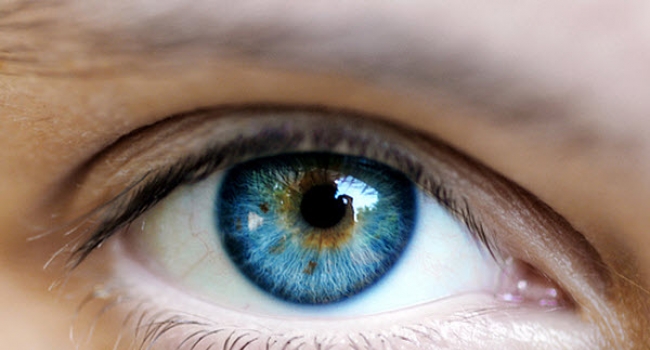
Bacteria that causes the sexually transmitted disease chlamydia can also cause blindness, scientists have revealed.
It has long been known that a strain of chlamydia bacteria - called C. trachomatis - causes trachoma, a neglected tropical disease that can render a person blind.
However, experts previously believed two different strains of the bacteria caused the STD and eye infection.
But now, a new study has found that genetic variations can transform the STD bacteria into the trachoma-associated chlamydia bacteria.
Thus, the blindness-causing disease may potentially be sexually transmitted, as well.
As a result, scientists warn that a re-emergence of trachoma is more likely than previously thought.
Trachoma is estimated to have caused visual impairment in nearly two million people worldwide, according to the World Health Organization.
The infection primarily appears in rural areas with poor hygiene and inadequate sanitation.
Scientists believed the chlamydia bacteria that causes trachoma was only spread through flies or contact with an infected person's hands or clothes.
Researchers from the Wellcome Trust Sanger Institutes and Menzies School of Health Research, Australia teamed up for the current study.
Lead author Dr Patiyan Andersson said: 'This work came about from the analysis of frozen isolates that had been collected in the 1980s and 1990s.
'We were able to resuscitate chlamydia bacteria that had been frozen for 30 years, and study their genomes to find out how they had evolved.'
The team found that the acquisition of just one or two genetic variants can change an STD causing the strain to morph into a trachoma-associated strain.
And because it is known that chlamydia can readily exchange DNA, the study suggests there is a continued potential for new trachoma strains to pop up.
Study co-author Dr Phil Giffard said: 'The sequences of these strains were the biggest surprise of my scientific career to date.
'They were completely different to how they "should" have been. Surprises are what every scientist hopes for.'
The study's results demonstrate the value of long-term storage of clinical and biological material.
However, the scientists note that there are many important unanswered questions that remain about chlamydia trachomatis.
Study co-author Professor Nick Thomson said: 'Trachoma is a neglected tropical disease and one where the clear benefits of a combined skill set, using both classical and cutting edge techniques, have provided novel insights that are of immediate importance for tackling this disease.'
Professor Thomson added that genomics is helping scientists rethink how to tackle such diseases.





