


- Latest news▼
-
15:23, October 21 Tea May Benefit Heart Health — but Drinking It Scalding Hot Could Be Risky

-
13:25, October 21 Why Some People Avoid Alzheimer’s Despite Carrying a High-Risk Gene

-
10:47, October 20 SciRep: Walking More Than 8,000 Steps a Day Is Linked to Better Attention

-
08:32, October 20 Nature: AI Links Brown Fat to Heart, Vascular, and Mental Health

-
18:51, October 19 Oxytocin May Make Childhood Memories More Negative in People with Relationship Anxiety

-
16:48, October 19 Polyphenols in coffee and fruit linked to lower risk of telomere shortening

-
14:50, October 19 Anesthesiology: Noise-Canceling Headphones Reduce the Risk of Nausea After Anesthesia

-
12:44, October 19 PLOS: Yogurt and Canned Beans May Help Reduce the Risk of Colorectal Cancer

-
10:39, October 19 AJOG: Birth Weight Is Linked to Later Performance in Math and Reading

-
08:41, October 19 Postoperative Monitoring Apps Reduced Hospital Readmissions by 15%

-
23:12, October 18 Noise-Canceling Headphones Reduced the Risk of Nausea After Gynecological Surgery by 32%

-
18:17, October 18 HealthDay: Strength Training After 60 Helps Strengthen Bones and Maintain Brain Health

-
12:43, October 18 Scientists Unveil Scanner That Captures Whole-Body Images in Just 60 Seconds

-
22:17, October 17 eClinicalMedicine: Drug-Coated Balloons Could Offer an Alternative to Permanent Stents in Heart Treatment
-
18:31, October 17 Scientists Discover How Hot Peppers Could Help Develop Safer Painkillers

All materials
Exercise: The best prevention of heart attacks for women
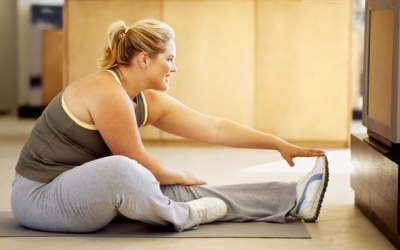
Physical activity is more likely to determine women's future risk of heart disease than any other factor, including obesity, smoking and high blood pressure, a new study reports.
Looking across the lifespan of Australian women using data on more than 32,000 of them, University of Queensland researchers found that physical inactivity served as the leading risk factor for heart disease at every age from the early 30s to late 80s, the Newsmax Health reported.
"We have to get everyone to move more," said lead author Wendy Brown, director of the university's Center for Research on Exercise, Physical Activity and Health. "From about age 30, physical activity levels decline. We need to do everything we can to prevent this."
Even though this study was conducted in Australia, American women should figure that physical inactivity will affect their risk of heart disease in much the same way, said Dr. Michael Scott Emery, co-chair of the American College of Cardiology's Sports.
The study measured the top four risk factors for heart disease in Australia -- excess weight, smoking, high blood pressure and physical inactivity.
They analyzed how the women's health would improve if each specific risk factor vanished -- for example, if no one ever smoked or everyone had an ideal body weight.
Younger women were more likely to smoke, they found, which drove heart disease risk up by 59 percent and made smoking the most important contributor to heart disease among the youngest adults.
But smoking rates fell from 28 percent in women between the ages of 22 and 27 to 5 percent in women 73 to 78 years old, while physical inactivity and high blood pressure increased steadily across all women's lifespans from ages 22 to 90.
In findings published May 8 in the online British Journal of Sports Medicine, the researchers concluded that from age 30 until the late 80s, low physical activity levels were responsible for higher levels of heart disease risk than any other risk factor.
If every woman between the ages of 30 and 90 were able to reach the recommended weekly exercise quota -- 150 minutes of at least moderate-intensity physical activity -- then the lives of more than 2,000 middle-aged and older women could be saved each year in Australia alone, the researchers concluded.
Brown noted that the type of exercise doesn't necessarily matter, as long as a woman becomes more physically active.
"Aerobic exercise and activity is very important for cardiovascular and metabolic health, and strength training is very important for musculoskeletal," she said.
Follow NEWS.am Medicine on Facebook and Twitter

- Video



- Event calendar
- Archive
- Most read
month
week
day
- Molecular Cell: Bacteria Hide an Unusual Defense Mechanism That Activates When a Virus Attacks 542
- Cardiologists Urge Inclusion of Physical Exercise in Heart Disease Prevention 518
- Stem Cell Reports: Nicotine Exposure During Pregnancy Permanently Weakens Offspring’s Immune Systems 499
- Frontiers: Poor Sleep May Increase the Risk of Breast Cancer by 30% 497
- Nature: Researchers Link Faster Wound Healing to Female Sex Hormones 462
- BJN: Asparagus extract helps improve sleep and reduce anxiety 416
- Science Corporation Implants Vision-Restoring Chip in First Patient With Stargardt Disease 399
- Scientists Discover a Longevity Gene That Extends Lifespan by 14% 274
- RPTH: One to Two Cups of Coffee a Day Linked to a 51% Lower Risk of Recurrent Venous Thromboembolism 224
- Cardiologists Urge Inclusion of Physical Exercise in Heart Disease Prevention 215
- Smartphone Habits Can Detect Stress With Up to 76% Accuracy, Scientists Find 200
- A Simple Way to Blunt Blood Sugar Spikes After Meals 194
- JACH: Eating Breakfast May Improve Psychological Flexibility 193
- WHO: Lead Poisoning Claims More Than 3.5 Million Lives Every Year 186
- Why It Can Sometimes Be Impossible to Stop Laughing: Neuroscientists Identify Two Mechanisms Behind Laughter 164
- Find us on Facebook
- Poll