


- Latest news▼
-
22:34, October 10 Cannabis Does Not Improve Sleep: Study Reveals an Unexpected Effect

-
20:56, October 10 Blood Markers May Reveal Signs of Accelerated Immune Aging

-
18:42, October 10 Scientists Discover How Horseback Riding Affects Behavior in Children with Autism

-
14:17, October 10 Can a Healthy Diet Help Preserve Memory? Study Reveals Limitations of Popular Diets

-
08:37, October 10 Study: Memory Decline Between Ages 60 and 69 Is Linked to an Increased Risk of Stroke

-
23:46, October 9 Study: Even Short-Term E-Cigarette Use Damages the Lungs

-
21:42, October 9 EU Countries to Discuss Possible Plague Outbreak in Russia

-
17:38, October 9 Frontiers in Psychology: Scientists Find That Nature Walks Can Help Lonely People

-
15:21, October 9 Diabetes: Olive Oil Before Carbohydrates Reduced the Rise in Blood Glucose

-
11:30, October 9 WHO Reports 8,700 Confirmed Ebola Cases in the Democratic Republic of the Congo

-
08:36, October 9 Nature: Sugar During Antibiotic Treatment Disrupts the Gut Microbiome More Severely

-
23:36, October 8 Nature Metabolism: Ultra-Processed Food Makes the Body Use Energy Differently

-
21:48, October 8 Scientists Discover Unexpected Gene That May Increase the Risk of Anorexia

-
17:41, October 8 Science: Blocking an Aging Enzyme Restores Cartilage in Elderly Mice

-
15:39, October 8 Signal Transduction: Nerves Help Tumors Evade the Immune System

All materials
Antibiotic-resistant bacteria found in river water in UK
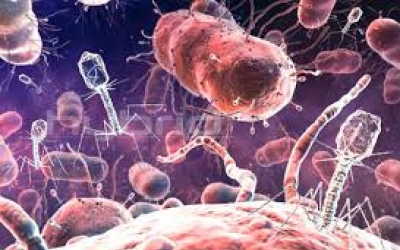
Strains of highly antibiotic-resistant bacteria were found in a river near Coventry. The drug-resistant bugs were detected in samples taken by specialists from Warwick University near the Finham sewage treatment works.
The resistant bacteria, which is carried in faecal matter, were strains of E.coli that produce extended-spectrum beta-lactamases (ESBLs) - enzymes that can destroy many antibiotics including all penicillins.
ESBL infections are particularly dangerous because treatment options are limited and drugs need to be given by injection in serious cases.
Study leader Professor Elizabeth Wellington, a lecturer in Environmental Microbiology at Warwick University, along with colleagues from Birmingham universities and the Health Protection Agency (now Public Health England), analysed sediment samples from upstream and downstream.
They found bacteria resistant to important antibiotics used to treat a range of problems, including meningitis, septicaemia, and so-called hospital-acquired infections.
The researchers say stricter regulations and higher levels of treatment are needed to halt the rise in antibiotic resistance in the environment.
Professor Neil Woodford, head of Public Health England’s Antimicrobial Resistance and Healthcare Associated Infections Reference Unit, said the extent of the health risk caused by ESBL-positive bacteria was unclear. This is not the first time that antibiotic-resistant bacteria have been found in river water, he added.
‘Just having had skin contact with the river water is not sufficient to cause illness. For it to become a problem would require a particular chain of events to occur and the likelihood of these all happening needs to be borne in mind. Our advice is that if anyone does become ill after swimming in rivers or streams then they should always advise their GP of their recent activities,’ he said.
Follow NEWS.am Medicine on Facebook and Twitter

- Read also







- Event calendar
- Archive
- Most read
month
week
day
- Study: The Way a Person Speaks May Reveal Early Signs of Brain Aging 800
- More Than 1,600 New Breast Cancer Cases Are Diagnosed in Armenia Every Year 796
- Sugar Exposure During the First 1,000 Days of Life Increases the Risk of Anxiety in Adulthood 783
- Cell: Vitamin D May Reduce Intestinal Inflammation 697
- Study: One in Eight Cancer Cases Worldwide Is Linked to Preventable Infections 690
- Nature: AI Effectively Motivates Patients to Get Vaccinated 669
- Can a Healthy Diet Help Preserve Memory? Study Reveals Limitations of Popular Diets 604
- EU Countries to Discuss Possible Plague Outbreak in Russia 574
- Blood Markers May Reveal Signs of Accelerated Immune Aging 570
- Study: Memory Decline Between Ages 60 and 69 Is Linked to an Increased Risk of Stroke 550
- Scientists Discover How Horseback Riding Affects Behavior in Children with Autism 538
- WHO Reports 8,700 Confirmed Ebola Cases in the Democratic Republic of the Congo 537
- Study: Even Short-Term E-Cigarette Use Damages the Lungs 536
- Frontiers in Psychology: Scientists Find That Nature Walks Can Help Lonely People 534
- Diabetes: Olive Oil Before Carbohydrates Reduced the Rise in Blood Glucose 520
- Find us on Facebook
- Poll