


- Latest news▼
-
23:31, October 16 Cardiologists Urge Inclusion of Physical Exercise in Heart Disease Prevention

-
21:29, October 16 Stem Cell Reports: Nicotine Exposure During Pregnancy Permanently Weakens Offspring’s Immune Systems

-
19:15, October 16 Frontiers: Poor Sleep May Increase the Risk of Breast Cancer by 30%

-
17:26, October 16 Nature: Researchers Link Faster Wound Healing to Female Sex Hormones

-
15:05, October 16 BJN: Asparagus extract helps improve sleep and reduce anxiety

-
10:55, October 16 Science Corporation Implants Vision-Restoring Chip in First Patient With Stargardt Disease
-
08:41, October 16 Smartphone Habits Can Detect Stress With Up to 76% Accuracy, Scientists Find

-
21:36, October 15 Cardiologists Urge Inclusion of Physical Exercise in Heart Disease Prevention

-
19:41, October 15 RPTH: One to Two Cups of Coffee a Day Linked to a 51% Lower Risk of Recurrent Venous Thromboembolism

-
17:50, October 15 JACH: Eating Breakfast May Improve Psychological Flexibility

-
15:42, October 15 A Simple Way to Blunt Blood Sugar Spikes After Meals
-
12:33, October 15 Scientists Discover a Longevity Gene That Extends Lifespan by 14%

-
10:37, October 15 WHO: Lead Poisoning Claims More Than 3.5 Million Lives Every Year
-
08:47, October 15 Why It Can Sometimes Be Impossible to Stop Laughing: Neuroscientists Identify Two Mechanisms Behind Laughter

-
21:24, October 14 Molecular Cell: Bacteria Hide an Unusual Defense Mechanism That Activates When a Virus Attacks

All materials
How an RNA Molecule in the Kidneys Triggers a Deadly Disease
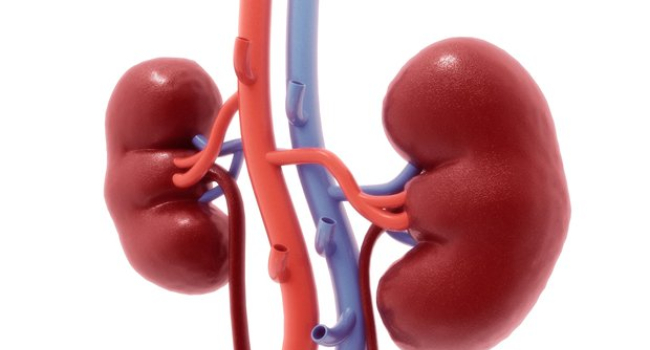
Researchers from the University of Bonn have discovered that a small naturally occurring RNA molecule activates a mutated immune receptor, triggering a chain reaction. The scientists explained how a single-point mutation in the immune receptor RIG-I turns the body’s defense system into a self-destructive force, leading to severe autoimmune diseases that affect specific organs. The study results were published in Science Immunology.
RIG-I is an important sensor of the innate immune system that recognizes viral RNA and activates antiviral defense, reports Nauchnaya Rossiya (“Scientific Russia”). However, certain genetic changes, known as mutations, can make RIG-I hypersensitive, causing the immune receptor to mistakenly identify the body’s own RNA as viral.
The research team found that mice carrying the RIG-I E373A mutation, which is also found in patients, spontaneously developed lupus-like nephritis — a severe and often fatal kidney inflammation. Unlike classical lupus, where inflammation is caused by immune complex deposition, in these mice the disease resulted from direct kidney inflammation triggered by the mutated RIG-I.
Further investigation revealed that a short non-coding RNA known as Y-RNA, which is produced in large quantities in the kidneys, directly binds to the mutated RIG-I and causes its abnormal activation.
“We discovered that Y-RNA acts as a false alarm signal for the mutated RIG-I receptor, particularly in kidney cells,” said study author Professor Hiroki Kato. “This local immune malfunction causes strong inflammation resembling human lupus nephritis.”
“Using advanced molecular and structural analysis techniques, we were able to show that the mutant protein RIG-I-E373A binds to Y-RNA in an unusual way, leading to receptor activation even without viral infection,” said Saya Sato, the study’s first author. “This abnormal activation causes kidney cells to produce large amounts of interferons and chemokines, which attract immune cells and trigger inflammation.”
The researchers also identified a potential therapeutic target: blocking the CCR2 signaling pathway, which attracts monocytes (a type of white blood cell), significantly reduced kidney inflammation in the test mice.
Mutations in the RIG-I gene are associated with rare hereditary diseases such as Singleton–Merten syndrome and systemic lupus erythematosus. This study provides new insight into how such mutations can selectively damage the kidneys and may serve as a foundation for developing targeted therapies that block the activation of mutated RIG-I or its interaction with Y-RNA.
Follow NEWS.am Medicine on Facebook and Twitter

- Related News
- Science Corporation Implants Vision-Restoring Chip in First Patient With Stargardt Disease Hodak, a former president and co-founder of Neuralink, argued that retinal implants should be considered part of the wider field of brain-computer interface technology...
- Lund University receives $19.4 million NIH grant to develop Alzheimer’s blood test Lund University said the grant is the largest research award it has so far received through a competitive process from a US funding organization...
- NBC News: U.S. surgeons successfully separate conjoined twin girls joined at the head Doctors cannot yet say exactly how the surgery will affect their development in the long term...
- TCTV: New Drug Doubles Survival in Lung Cancer Pembrolizumab had remained the standard first-line treatment for NSCLC for nearly a decade in patients whose tumors express the relevant biomarker...
- At-Home Urine Test Could Detect Most Bladder Cancer Cases, Study Finds The study also found that the test identified all 17 cases of muscle-invasive bladder cancer and 35 of 36 high-grade tumours...
- Video




- Event calendar
- Archive
- Most read
month
week
day
- Can a Healthy Diet Help Preserve Memory? Study Reveals Limitations of Popular Diets 848
- Blood Markers May Reveal Signs of Accelerated Immune Aging 760
- Scientists Discover How Horseback Riding Affects Behavior in Children with Autism 745
- Study: Memory Decline Between Ages 60 and 69 Is Linked to an Increased Risk of Stroke 726
- Cannabis Does Not Improve Sleep: Study Reveals an Unexpected Effect 704
- International ACTS Research Project to Support Smoking Cessation Launched in Armenia 372
- Molecular Cell: Bacteria Hide an Unusual Defense Mechanism That Activates When a Virus Attacks 335
- Chemical Senses: A Healthy Diet May Be Linked to a Better Sense of Smell 309
- HealthAI: Artificial Intelligence Helps Healthcare Shift from Treatment to Prevention 272
- Study: Healthy Diet During Pregnancy Reduces the Risk of Colic and Eczema in Children 271
- JES: Longer Sleep May Increase the Risk of Kidney Damage in People with Diabetes 252
- eClinicalMedicine: More Than 40% of Women with Autoimmune Diseases Have Experienced a Misdiagnosis of a Psychiatric Condition 252
- Pancreatic Cancer Can Change Its “Genetic Strategy”: Study Identifies Key Mechanisms 249
- It's Not Just Weight: Body Shape Is Linked to Heart Attack Risk 247
- Study: Humanity Is Losing Gut Microbes Passed Down Through Generations 222
- Find us on Facebook
- Poll