


- Latest news▼
-
23:31, October 16 Cardiologists Urge Inclusion of Physical Exercise in Heart Disease Prevention

-
21:29, October 16 Stem Cell Reports: Nicotine Exposure During Pregnancy Permanently Weakens Offspring’s Immune Systems

-
19:15, October 16 Frontiers: Poor Sleep May Increase the Risk of Breast Cancer by 30%

-
17:26, October 16 Nature: Researchers Link Faster Wound Healing to Female Sex Hormones

-
15:05, October 16 BJN: Asparagus extract helps improve sleep and reduce anxiety

-
10:55, October 16 Science Corporation Implants Vision-Restoring Chip in First Patient With Stargardt Disease

-
08:41, October 16 Smartphone Habits Can Detect Stress With Up to 76% Accuracy, Scientists Find

-
21:36, October 15 Cardiologists Urge Inclusion of Physical Exercise in Heart Disease Prevention

-
19:41, October 15 RPTH: One to Two Cups of Coffee a Day Linked to a 51% Lower Risk of Recurrent Venous Thromboembolism

-
17:50, October 15 JACH: Eating Breakfast May Improve Psychological Flexibility

-
15:42, October 15 A Simple Way to Blunt Blood Sugar Spikes After Meals
-
12:33, October 15 Scientists Discover a Longevity Gene That Extends Lifespan by 14%

-
10:37, October 15 WHO: Lead Poisoning Claims More Than 3.5 Million Lives Every Year
-
08:47, October 15 Why It Can Sometimes Be Impossible to Stop Laughing: Neuroscientists Identify Two Mechanisms Behind Laughter

-
21:24, October 14 Molecular Cell: Bacteria Hide an Unusual Defense Mechanism That Activates When a Virus Attacks

All materials
Genes and lifestyle: how they jointly shape healthy aging
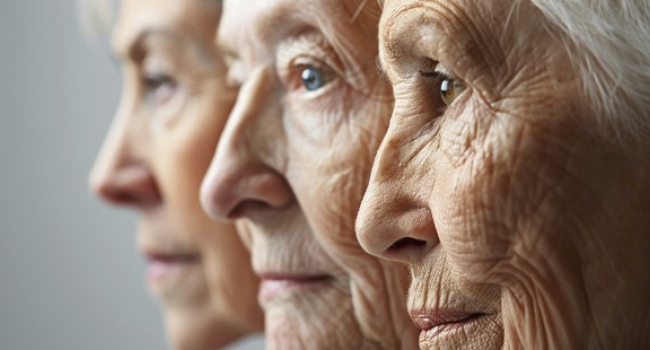
A new international study has shown that genetic predisposition does influence how lifestyle affects aging, but this influence is not one-sided—it interacts with lifestyle, socioeconomic factors, and individual habits.
The findings were published in The Journals of Gerontology, Series A: Biological Sciences and Medical Sciences.
Researchers focused on a concept known as “intrinsic capacity”—the combination of all physical and mental abilities a person uses throughout life to perform everyday tasks (such as self-care, communication, and social engagement). Maintaining these abilities is considered one of the key markers of healthy aging.
An analysis of data from more than 13,000 participants in the Canadian Longitudinal Study on Aging revealed the following:
• Better functional ability in later life was associated with higher levels of physical activity, a healthier diet, higher education, employment, and social engagement.
• In contrast, smoking and irregular sleep patterns (both too little and too much sleep) were linked to a decline in intrinsic capacity.
Importantly, genetics modifies the strength of these behavioral and social influences. In other words, the same lifestyle can have different effects on health and functional abilities depending on a person’s genetic background.
The authors emphasize that this does not mean genes determine everything; rather, the way our bodies respond to habits, lifestyle, and socioeconomic conditions is partly shaped by genetic predisposition.
The researchers also noted that genetic influence was particularly evident in middle age (approximately 45–64 years), suggesting that accumulated life experience, lifestyle, and social conditions play an increasingly important role over time. Nevertheless, modifiable factors—such as diet, physical activity, and social involvement—remain crucial even for individuals with less favorable genetic profiles.
The study’s findings open the door to developing targeted prevention programs and public health strategies aimed at preserving functional abilities and improving quality of life in adulthood and older age.
Follow NEWS.am Medicine on Facebook and Twitter

- Video



- Event calendar
- Archive
- Most read
month
week
day
- International ACTS Research Project to Support Smoking Cessation Launched in Armenia 545
- Molecular Cell: Bacteria Hide an Unusual Defense Mechanism That Activates When a Virus Attacks 502
- Cardiologists Urge Inclusion of Physical Exercise in Heart Disease Prevention 496
- Stem Cell Reports: Nicotine Exposure During Pregnancy Permanently Weakens Offspring’s Immune Systems 478
- Frontiers: Poor Sleep May Increase the Risk of Breast Cancer by 30% 478
- Nature: Researchers Link Faster Wound Healing to Female Sex Hormones 442
- HealthAI: Artificial Intelligence Helps Healthcare Shift from Treatment to Prevention 417
- Chemical Senses: A Healthy Diet May Be Linked to a Better Sense of Smell 397
- Pancreatic Cancer Can Change Its “Genetic Strategy”: Study Identifies Key Mechanisms 382
- Science Corporation Implants Vision-Restoring Chip in First Patient With Stargardt Disease 369
- BJN: Asparagus extract helps improve sleep and reduce anxiety 368
- Study: Healthy Diet During Pregnancy Reduces the Risk of Colic and Eczema in Children 362
- It's Not Just Weight: Body Shape Is Linked to Heart Attack Risk 340
- Study: Humanity Is Losing Gut Microbes Passed Down Through Generations 283
- Scientists Discover a Longevity Gene That Extends Lifespan by 14% 246
- Find us on Facebook
- Poll