


- Latest news▼
-
22:46, September 3 At-Home Urine Test Could Detect Most Bladder Cancer Cases, Study Finds

-
20:38, September 3 Alcohol-Related Cancer Deaths Double in the U.S. as the Number of Such Deaths Rises Over 33 Years

-
18:29, September 3 An Unexpected Paradox: Both Very Low and Very High Testosterone Levels May Be Equally Dangerous for the Heart

-
16:11, September 3 The Independent: Aging Is the Main Risk Factor for Cancer

-
14:13, September 3 CC: Age-Related Changes in Memory May Begin as Early as 50

-
08:34, September 3 Scientists Find Who May Benefit More from Coffee in Terms of Parkinson’s Disease Risk

-
23:37, September 2 LDE: Popular Diabetes Drugs Linked to Risk of a Dangerous Complication in Certain Patients

-
19:45, September 2 European Journal of Nutrition: Some Additives in Ultra-Processed Foods May Be Linked to Depression Risk

-
17:29, September 2 Neuron: Human Brain Immune Cells Mature Hundreds of Times More Slowly Than Those in Mice

-
15:21, September 2 Frontiers in Nutrition: Sucralose and Stevia Altered the Gut Microbiome for Two Generations in Mice

-
13:13, September 2 Frontiers: Frequent Consumption of Sugary Drinks Linked to a 23% Higher Risk of ADHD in Children

-
11:12, September 2 Food & Function: Nuts May Accelerate Blood Vessel Recovery After Stroke

-
08:39, September 2 Scientists Discover Hidden Sign of Crohn’s Disease and Ulcerative Colitis Before a Flare-Up

-
22:41, September 1 Not Just APOE4: Scientists Identify 44 Genes That May Alter Alzheimer’s Risk

-
20:39, September 1 The Word “Diet” May Put Men Off: Study Suggests Easier Ways for Them to Lose Weight

All materials
Drug-Resistant Candida auris Infections Continue to Spread Across the United States
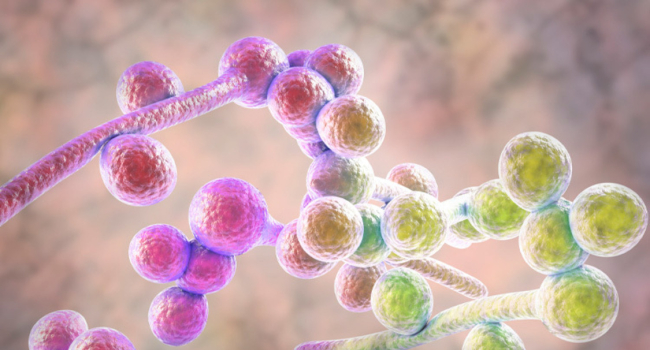
A highly drug-resistant fungal pathogen that can cause life-threatening infections is continuing to spread in healthcare settings across the United States, according to a new government report.
The fungus, known as Candida auris (C. auris), primarily threatens people with weakened immune systems and those receiving care in hospitals or long-term care facilities. Since its first identification in the United States in 2016, cases have been reported in more than half of all states.
Data collected by the U.S. Centers for Disease Control and Prevention (CDC) show that 13,507 cases of C. auris were reported between 2022 and 2024, with the number of infections increasing steadily each year. Most cases occurred among men over the age of 45 and were linked to healthcare environments.
Although the latest report did not analyze mortality, previous studies have suggested that approximately 30% of infected patients may die, highlighting the seriousness of the threat.
One of the challenges in controlling C. auris is its ability to colonize human skin without causing immediate symptoms. While healthy individuals often remain unaffected, the fungus can lead to severe bloodstream infections and other complications in vulnerable patients.
Experts note that the organism can survive for extended periods on the skin and spread easily through contact with contaminated surfaces or open wounds. Once detected in a healthcare facility, extensive cleaning and disinfection measures are required to prevent further transmission.
Symptoms of infection often resemble those of bacterial illnesses and may include fever and chills. However, treatment options are becoming increasingly limited. The fungus is already resistant to fluconazole, one of the most commonly used antifungal medications, and researchers are concerned that resistance to remaining therapies may continue to grow.
Developing antifungal drugs is particularly challenging because fungi share many biological characteristics with humans, making it difficult to target them without affecting human cells.
Scientists also suggest that climate change could be contributing to the emergence of C. auris. Rising temperatures may help fungi adapt to warmer conditions, while environmental stress may increase human vulnerability to infection.
As the number of cases continues to climb, healthcare experts emphasize the importance of infection-control measures, early detection, and the development of new antifungal treatments to combat this growing public health concern.
Follow NEWS.am Medicine on Facebook and Twitter





- Most read
month
week
day
- An Unexpected Paradox: Both Very Low and Very High Testosterone Levels May Be Equally Dangerous for the Heart 907
- Alcohol-Related Cancer Deaths Double in the U.S. as the Number of Such Deaths Rises Over 33 Years 829
- European Journal of Nutrition: Some Additives in Ultra-Processed Foods May Be Linked to Depression Risk 814
- LDE: Popular Diabetes Drugs Linked to Risk of a Dangerous Complication in Certain Patients 809
- The Independent: Aging Is the Main Risk Factor for Cancer 808
- CC: Age-Related Changes in Memory May Begin as Early as 50 806
- Frontiers in Nutrition: Sucralose and Stevia Altered the Gut Microbiome for Two Generations in Mice 800
- At-Home Urine Test Could Detect Most Bladder Cancer Cases, Study Finds 791
- Neuron: Human Brain Immune Cells Mature Hundreds of Times More Slowly Than Those in Mice 784
- Frontiers: Frequent Consumption of Sugary Drinks Linked to a 23% Higher Risk of ADHD in Children 776
- Food & Function: Nuts May Accelerate Blood Vessel Recovery After Stroke 729
- Scientists Find Who May Benefit More from Coffee in Terms of Parkinson’s Disease Risk 678
- Find us on Facebook
- Poll