


- Latest news▼
-
10:55, October 22 LSD does more than disrupt brain rhythms: It speeds them up and increases signal complexity

-
23:27, October 21 Nine-year study links changing loneliness patterns to increased heart disease risk

-
15:23, October 21 Tea May Benefit Heart Health — but Drinking It Scalding Hot Could Be Risky

-
13:25, October 21 Why Some People Avoid Alzheimer’s Despite Carrying a High-Risk Gene

-
10:47, October 20 SciRep: Walking More Than 8,000 Steps a Day Is Linked to Better Attention

-
08:32, October 20 Nature: AI Links Brown Fat to Heart, Vascular, and Mental Health

-
18:51, October 19 Oxytocin May Make Childhood Memories More Negative in People with Relationship Anxiety

-
16:48, October 19 Polyphenols in coffee and fruit linked to lower risk of telomere shortening

-
14:50, October 19 Anesthesiology: Noise-Canceling Headphones Reduce the Risk of Nausea After Anesthesia

-
12:44, October 19 PLOS: Yogurt and Canned Beans May Help Reduce the Risk of Colorectal Cancer

-
10:39, October 19 AJOG: Birth Weight Is Linked to Later Performance in Math and Reading

-
08:41, October 19 Postoperative Monitoring Apps Reduced Hospital Readmissions by 15%

-
23:12, October 18 Noise-Canceling Headphones Reduced the Risk of Nausea After Gynecological Surgery by 32%

-
18:17, October 18 HealthDay: Strength Training After 60 Helps Strengthen Bones and Maintain Brain Health

-
12:43, October 18 Scientists Unveil Scanner That Captures Whole-Body Images in Just 60 Seconds
All materials
Brain Fog and Loss of Motivation: Scientists Identify a Possible Cause of Long COVID Symptoms

Scientists have identified a possible link between long COVID and damage to the brain's dopamine-producing neurons. A new study by researchers at the Centre for Addiction and Mental Health (CAMH) in Canada found that people with post-COVID syndrome have a reduced density of dopamine nerve terminals in key brain regions.
The findings, published in the journal eBioMedicine, may help explain several of the most common symptoms of long COVID, including chronic fatigue, reduced motivation, slowed movement, memory problems, and the so-called "brain fog."
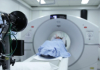
To examine the brain, researchers used positron emission tomography (PET) to compare people with long COVID to healthy participants. They found a significant reduction in a marker of dopamine system function throughout the major regions of the striatum, a part of the brain involved in regulating motivation, movement, and cognitive processes.
The study also found that changes in specific parts of the striatum were linked to particular symptoms. Reduced dopamine activity in the ventral striatum was associated with loss of motivation, changes in the putamen were linked to slowed movement, and abnormalities in the caudate nucleus were associated with memory impairment.
"Our findings provide strong evidence that long COVID is associated with damage to dopamine-producing neurons," said the study's lead author, Dr. Jeffrey Meyer.
He noted that similar disruptions of the dopamine system have previously been observed in other neurological disorders and may contribute to the development of long COVID symptoms.
The new findings build on the team's earlier research, which showed increased brain inflammation in patients with long COVID, particularly in regions rich in dopaminergic neurons. The current study provides direct evidence that the activity of these neurons is reduced.
According to the researchers, the findings could open new avenues for treatment. The team plans to launch a clinical trial of medications that target the dopamine system to evaluate whether they can improve fatigue, cognitive impairment, memory problems, and reduced motivation in people with long COVID.
The researchers estimate that long COVID affects approximately 5% of the global population and can persist for at least three months after the initial infection. At present, there are no proven treatments that directly address the underlying causes of the condition.
Follow NEWS.am Medicine on Facebook and Twitter

- Related News
- Pancreatic Cancer Can Change Its “Genetic Strategy”: Study Identifies Key Mechanisms According to the authors, nearly 85% of patients with this disease die within five years of diagnosis...
- eClinicalMedicine: More Than 40% of Women with Autoimmune Diseases Have Experienced a Misdiagnosis of a Psychiatric Condition Among women, 43% reported that their symptoms had previously been incorrectly attributed to psychiatric causes...
- LGH: The effect of aspirin on colorectal cancer may depend on the stage of the disease After treatment, participants took either aspirin or a placebo daily for up to three years...
- Scientists Discover Unexpected Gene That May Increase the Risk of Anorexia One particularly interesting finding was where the gene is active...
- Nighttime Heat Increases Anxiety and Alters Body Functions: Scientists Identify Possible Mechanisms Daytime heat exposure lasted from 9 a.m. to 5 p.m. at 32°C, while nighttime exposure took place from 10 p.m. to 6 a.m. at 30°C...
- Video




- Event calendar
- Archive
- Most read
month
week
day
- Cardiologists Urge Inclusion of Physical Exercise in Heart Disease Prevention 543
- Frontiers: Poor Sleep May Increase the Risk of Breast Cancer by 30% 531
- Stem Cell Reports: Nicotine Exposure During Pregnancy Permanently Weakens Offspring’s Immune Systems 526
- Nature: Researchers Link Faster Wound Healing to Female Sex Hormones 503
- BJN: Asparagus extract helps improve sleep and reduce anxiety 466
- Science Corporation Implants Vision-Restoring Chip in First Patient With Stargardt Disease 451
- Nine-year study links changing loneliness patterns to increased heart disease risk 290
- Why Some People Avoid Alzheimer’s Despite Carrying a High-Risk Gene 288
- Tea May Benefit Heart Health — but Drinking It Scalding Hot Could Be Risky 270
- LSD does more than disrupt brain rhythms: It speeds them up and increases signal complexity 264
- Smartphone Habits Can Detect Stress With Up to 76% Accuracy, Scientists Find 244
- PLOS: Yogurt and Canned Beans May Help Reduce the Risk of Colorectal Cancer 231
- Noise-Canceling Headphones Reduced the Risk of Nausea After Gynecological Surgery by 32% 184
- AJOG: Birth Weight Is Linked to Later Performance in Math and Reading 182
- Anesthesiology: Noise-Canceling Headphones Reduce the Risk of Nausea After Anesthesia 164
- Find us on Facebook
- Poll