


- Latest news▼
-
15:47, September 26 Scientists develop device to obtain live cells from suspicious tissue for early cancer detection
-
13:34, September 26 Virtual forest walk and classical music accelerated blood pressure reduction in emergency patients

-
11:05, September 26 Armenian pediatric oncologist Gevorg Tamamyan has been nominated by Botswana for the position of WHO Director-General

-
10:28, September 26 Could Earth’s magnetic field affect the aging process?

-
08:26, September 26 AI from Spain improves dermatological diagnosis

-
23:24, September 25 Study: Loneliness and social isolation may cost up to six years of healthy life

-
21:25, September 25 Magnetic bacteria extend worms’ lifespan by more than 43%, study finds
-
19:03, September 25 Chronic pain after cesarean delivery can affect women for years, study finds

-
16:58, September 25 Breath test may help distinguish cancerous lung nodules from benign ones, study finds

-
14:42, September 25 Study links overcrowding in emergency departments to hundreds of deaths each week

-
12:39, September 25 Experimental RNA therapy may help prevent muscle loss during GLP-1 weight loss
-
10:36, September 25 Introduction of solid foods triggers early functional changes in the infant gut microbiome

-
08:30, September 25 Lund University receives $19.4 million NIH grant to develop Alzheimer’s blood test

-
22:21, September 24 When Visual Signals Conflict, the Brain Works to Reach a Consensus

-
20:19, September 24 Coffee Can Disrupt Deep Sleep Even Without Keeping You Awake

All materials
LDE: Popular Diabetes Drugs Linked to Risk of a Dangerous Complication in Certain Patients
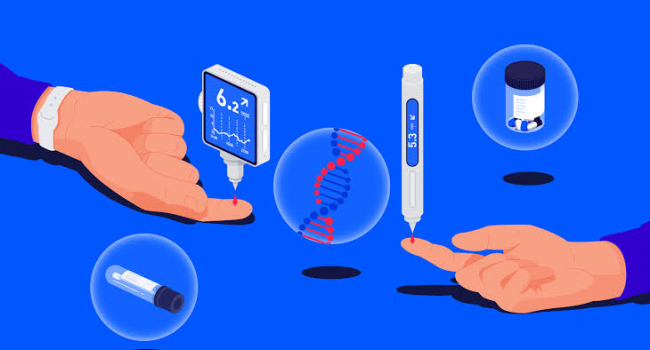
Among patients with type 2 diabetes, higher blood glucose levels, low body weight, and a previous episode of ketoacidosis are associated with a higher risk of developing this potentially dangerous complication while taking SGLT2 inhibitors. The risk persists throughout the entire course of treatment, according to a study by researchers at Karolinska Institutet published in The Lancet Diabetes & Endocrinology.
SGLT2 inhibitors are used to treat type 2 diabetes and can also reduce the risk of cardiovascular and kidney disease. However, in some patients, they increase the likelihood of diabetic ketoacidosis (DKA)—a rare but serious condition in which the body begins producing excessive amounts of ketones due to insufficient insulin. This disrupts the body’s acid-base balance and can be life-threatening in severe cases.
The researchers analyzed data from national medical registries in Sweden, Denmark, and Norway. The study included more than 280,000 patients with type 2 diabetes who were receiving SGLT2 inhibitors.
The highest risk of ketoacidosis was observed among patients who had previously experienced the condition, had high blood glucose levels, low body weight, or signs of inadequate nutrition. A history of hypoglycemic episodes was also associated with an increased risk.
Ketoacidosis most often occurred in the setting of an infection, which was the most common triggering or accompanying factor. Patients who developed the complication were also more likely to experience other acute conditions, including impaired kidney function, stroke, and the need for major surgery.
Previous studies have primarily assessed the risk of ketoacidosis during the first few months after treatment begins. The new study showed that although the risk is indeed highest at the start of therapy, it remains elevated throughout the entire period of treatment.
“Our findings do not mean that this type of treatment should be abandoned. The main goal is to better identify patients at high risk and use these medications more safely,” said Peter Ueda, associate professor at Karolinska Institutet.
The researchers hope the findings will help doctors make more informed decisions when prescribing these medications and help patients better understand situations in which they may need to temporarily stop taking them, such as during an acute illness or before surgery.
As a next step, the scientists plan to study in greater detail patients who develop ketoacidosis while taking SGLT2 inhibitors, as well as other rare but serious adverse effects associated with modern diabetes medications.
Follow NEWS.am Medicine on Facebook and Twitter



- Most read
month
week
day
- Experimental RNA therapy may help prevent muscle loss during GLP-1 weight loss 712
- Introduction of solid foods triggers early functional changes in the infant gut microbiome 672
- Study links overcrowding in emergency departments to hundreds of deaths each week 617
- Breath test may help distinguish cancerous lung nodules from benign ones, study finds 602
- Scientists develop device to obtain live cells from suspicious tissue for early cancer detection 601
- Armenian pediatric oncologist Gevorg Tamamyan has been nominated by Botswana for the position of WHO Director-General 598
- GLP-1 Drugs Linked to Nutritional Deficiencies in Nearly 1 in 6 Children 582
- Springer Nature: Scientists show that boys and girls perceive the world differently from the first hours of life 581
- Magnetic bacteria extend worms’ lifespan by more than 43%, study finds 572
- Chronic pain after cesarean delivery can affect women for years, study finds 564
- Lund University receives $19.4 million NIH grant to develop Alzheimer’s blood test 562
- Flu Vaccination Has Started in Armenia: Foreign Nationals Can Also Get Vaccinated Free of Charge 515
- After 30 Years of Research, First Drug Developed for Rare Progressive Brain Disease 501
- Stopping GLP-1 drugs may quickly reduce their heart-protective benefits 499
- NEG: 71% of People with Pulmonary Nodules Are Non-Smokers 488
- Find us on Facebook
- Poll