


- Latest news▼
-
15:47, September 26 Scientists develop device to obtain live cells from suspicious tissue for early cancer detection

-
13:34, September 26 Virtual forest walk and classical music accelerated blood pressure reduction in emergency patients

-
11:05, September 26 Armenian pediatric oncologist Gevorg Tamamyan has been nominated by Botswana for the position of WHO Director-General

-
10:28, September 26 Could Earth’s magnetic field affect the aging process?

-
08:26, September 26 AI from Spain improves dermatological diagnosis

-
23:24, September 25 Study: Loneliness and social isolation may cost up to six years of healthy life

-
21:25, September 25 Magnetic bacteria extend worms’ lifespan by more than 43%, study finds
-
19:03, September 25 Chronic pain after cesarean delivery can affect women for years, study finds

-
16:58, September 25 Breath test may help distinguish cancerous lung nodules from benign ones, study finds

-
14:42, September 25 Study links overcrowding in emergency departments to hundreds of deaths each week

-
12:39, September 25 Experimental RNA therapy may help prevent muscle loss during GLP-1 weight loss

-
10:36, September 25 Introduction of solid foods triggers early functional changes in the infant gut microbiome

-
08:30, September 25 Lund University receives $19.4 million NIH grant to develop Alzheimer’s blood test

-
22:21, September 24 When Visual Signals Conflict, the Brain Works to Reach a Consensus

-
20:19, September 24 Coffee Can Disrupt Deep Sleep Even Without Keeping You Awake

All materials
Mild traumatic brain injury may cause cognitive problems, lasting brain damage
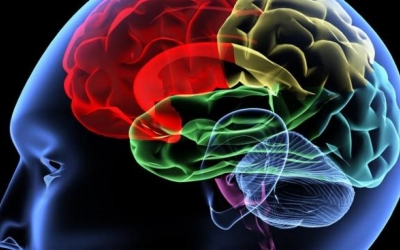
While much is known about the effects of severe traumatic brain injuries (TBI), less attention has been paid to mild and moderate brain injuries.
In a new study published in Neurology, researchers have found that mild TBI may impact patients’ cognition and brain matter, FoxNews reported.
To address this issue of identifying those with brain damage after injury, researchers at Newcastle University used diffusion tensor imaging (DTI), a method of magnetic resonance imaging (MRI) that is routinely used for acute ischemic stroke and severe trauma. DTI images use contrast and brightness to determine the health of brain tissue. In a healthy brain, the brain’s white area— the interconnected wiring between different brain areas— is very structured and orderly. If there is damage to the cellular structure of the brain, the DTI image shows changes in the brightness of the image.
Working with a group of 44 people with mild TBI, nine people with moderate TBI and a control group of 33 healthy participants— who were closely matched by age and education level with individual patients— researchers administered DTI scans within one week of injury and used the Glasgow Coma Scale (GSC) test to measure cognition.
The GSC test analyzes a patient’s responsiveness in three areas: eye movement, verbal activity and general movement.
Researchers found that, compared to the control group, participants with brain injuries had DTI scans showing damage to the brain’s white matter. The brain’s white matter is the “wiring” between the key areas in the brain, including cognitive processes of language and memory.
People who have mild TBI—which can include having a concussion or being briefly unresponsive or less responsive than normal— may not be aware that they’re dealing with cognitive side effects. Scans showed that the bigger the brain changes in a particular individual, the worse they performed on tests of verbal fluency.
In a 12-month follow up, most of the patients’ cognitive function had improved, but their brain scans showed some areas had returned to normal while others hadn’t. Researchers noted that after one year, any damage done to the brain is generally considered to be permanent. However, because the brain is so elastic, it may rewire itself to create a coping strategy, which may explain the sustained damage at 12 months, but the improved cognitive function.
Follow NEWS.am Medicine on Facebook and Twitter

- Read also


- Event calendar
- Archive
- Most read
month
week
day
- Experimental RNA therapy may help prevent muscle loss during GLP-1 weight loss 789
- Introduction of solid foods triggers early functional changes in the infant gut microbiome 718
- Study links overcrowding in emergency departments to hundreds of deaths each week 666
- Armenian pediatric oncologist Gevorg Tamamyan has been nominated by Botswana for the position of WHO Director-General 657
- Breath test may help distinguish cancerous lung nodules from benign ones, study finds 652
- Scientists develop device to obtain live cells from suspicious tissue for early cancer detection 650
- Magnetic bacteria extend worms’ lifespan by more than 43%, study finds 627
- Chronic pain after cesarean delivery can affect women for years, study finds 611
- GLP-1 Drugs Linked to Nutritional Deficiencies in Nearly 1 in 6 Children 605
- Lund University receives $19.4 million NIH grant to develop Alzheimer’s blood test 598
- Flu Vaccination Has Started in Armenia: Foreign Nationals Can Also Get Vaccinated Free of Charge 545
- Virtual forest walk and classical music accelerated blood pressure reduction in emergency patients 517
- Could Earth’s magnetic field affect the aging process? 514
- Stopping GLP-1 drugs may quickly reduce their heart-protective benefits 511
- After 30 Years of Research, First Drug Developed for Rare Progressive Brain Disease 511
- Find us on Facebook
- Poll