


- Latest news▼
-
23:31, October 16 Cardiologists Urge Inclusion of Physical Exercise in Heart Disease Prevention

-
21:29, October 16 Stem Cell Reports: Nicotine Exposure During Pregnancy Permanently Weakens Offspring’s Immune Systems

-
19:15, October 16 Frontiers: Poor Sleep May Increase the Risk of Breast Cancer by 30%

-
17:26, October 16 Nature: Researchers Link Faster Wound Healing to Female Sex Hormones

-
15:05, October 16 BJN: Asparagus extract helps improve sleep and reduce anxiety

-
10:55, October 16 Science Corporation Implants Vision-Restoring Chip in First Patient With Stargardt Disease
-
08:41, October 16 Smartphone Habits Can Detect Stress With Up to 76% Accuracy, Scientists Find

-
21:36, October 15 Cardiologists Urge Inclusion of Physical Exercise in Heart Disease Prevention

-
19:41, October 15 RPTH: One to Two Cups of Coffee a Day Linked to a 51% Lower Risk of Recurrent Venous Thromboembolism

-
17:50, October 15 JACH: Eating Breakfast May Improve Psychological Flexibility

-
15:42, October 15 A Simple Way to Blunt Blood Sugar Spikes After Meals
-
12:33, October 15 Scientists Discover a Longevity Gene That Extends Lifespan by 14%

-
10:37, October 15 WHO: Lead Poisoning Claims More Than 3.5 Million Lives Every Year

-
08:47, October 15 Why It Can Sometimes Be Impossible to Stop Laughing: Neuroscientists Identify Two Mechanisms Behind Laughter

-
21:24, October 14 Molecular Cell: Bacteria Hide an Unusual Defense Mechanism That Activates When a Virus Attacks

All materials
Key Step Toward Mass Production of Artificial Blood Achieved
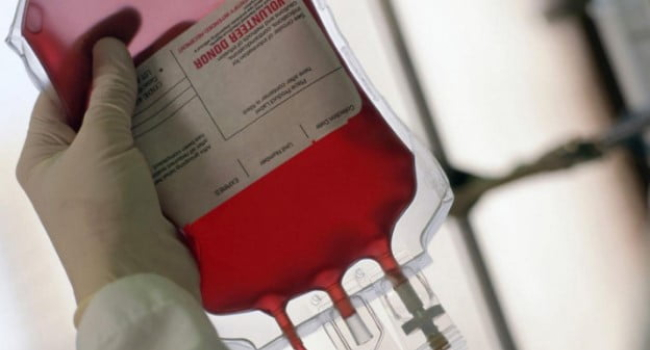
Scientists from the University of Konstanz and Queen Mary University of London have made a significant breakthrough in the development of large-scale artificial blood production. In a study published in Science Signaling, the researchers identified the crucial role of the chemokine CXCL12 in the final stage of red blood cell maturation—a process in which precursor cells expel their nuclei to become fully functional erythrocytes.
Under natural conditions, this transformation takes place in the bone marrow, where stem cells differentiate into erythroblasts and then into mature red blood cells. The expulsion of the nucleus allows the cells to become more compact and carry more hemoglobin. By introducing CXCL12 at the right moment in laboratory settings, scientists were able to trigger this process more efficiently, offering new possibilities for optimizing artificial blood technologies.
Currently, artificial red blood cells are primarily produced from stem cells derived from umbilical cord blood or bone marrow, both of which are limited resources. While reprogramming regular cells into stem cells is already possible, the efficiency of nuclear expulsion in such cases remains below 40%. The addition of CXCL12 could significantly improve this outcome.
This discovery holds promise not only for addressing shortages in donor blood but also for producing rare blood types and generating patient-specific blood for treating severe diseases.
Earlier, clinical trials began in Japan for a universal form of artificial blood developed using recycled donor hemoglobin.
Follow NEWS.am Medicine on Facebook and Twitter

- Related News
- Science Corporation Implants Vision-Restoring Chip in First Patient With Stargardt Disease Hodak, a former president and co-founder of Neuralink, argued that retinal implants should be considered part of the wider field of brain-computer interface technology...
- Lund University receives $19.4 million NIH grant to develop Alzheimer’s blood test Lund University said the grant is the largest research award it has so far received through a competitive process from a US funding organization...
- NBC News: U.S. surgeons successfully separate conjoined twin girls joined at the head Doctors cannot yet say exactly how the surgery will affect their development in the long term...
- TCTV: New Drug Doubles Survival in Lung Cancer Pembrolizumab had remained the standard first-line treatment for NSCLC for nearly a decade in patients whose tumors express the relevant biomarker...
- At-Home Urine Test Could Detect Most Bladder Cancer Cases, Study Finds The study also found that the test identified all 17 cases of muscle-invasive bladder cancer and 35 of 36 high-grade tumours...
- Video




- Event calendar
- Archive
- Most read
month
week
day
- Can a Healthy Diet Help Preserve Memory? Study Reveals Limitations of Popular Diets 846
- Blood Markers May Reveal Signs of Accelerated Immune Aging 758
- Scientists Discover How Horseback Riding Affects Behavior in Children with Autism 743
- Study: Memory Decline Between Ages 60 and 69 Is Linked to an Increased Risk of Stroke 723
- Cannabis Does Not Improve Sleep: Study Reveals an Unexpected Effect 702
- International ACTS Research Project to Support Smoking Cessation Launched in Armenia 366
- Molecular Cell: Bacteria Hide an Unusual Defense Mechanism That Activates When a Virus Attacks 332
- Chemical Senses: A Healthy Diet May Be Linked to a Better Sense of Smell 306
- HealthAI: Artificial Intelligence Helps Healthcare Shift from Treatment to Prevention 268
- Study: Healthy Diet During Pregnancy Reduces the Risk of Colic and Eczema in Children 268
- JES: Longer Sleep May Increase the Risk of Kidney Damage in People with Diabetes 249
- eClinicalMedicine: More Than 40% of Women with Autoimmune Diseases Have Experienced a Misdiagnosis of a Psychiatric Condition 248
- Pancreatic Cancer Can Change Its “Genetic Strategy”: Study Identifies Key Mechanisms 245
- It's Not Just Weight: Body Shape Is Linked to Heart Attack Risk 245
- Study: Humanity Is Losing Gut Microbes Passed Down Through Generations 220
- Find us on Facebook
- Poll