


- Latest news▼
-
10:55, October 22 LSD does more than disrupt brain rhythms: It speeds them up and increases signal complexity

-
23:27, October 21 Nine-year study links changing loneliness patterns to increased heart disease risk

-
15:23, October 21 Tea May Benefit Heart Health — but Drinking It Scalding Hot Could Be Risky

-
13:25, October 21 Why Some People Avoid Alzheimer’s Despite Carrying a High-Risk Gene

-
10:47, October 20 SciRep: Walking More Than 8,000 Steps a Day Is Linked to Better Attention

-
08:32, October 20 Nature: AI Links Brown Fat to Heart, Vascular, and Mental Health

-
18:51, October 19 Oxytocin May Make Childhood Memories More Negative in People with Relationship Anxiety

-
16:48, October 19 Polyphenols in coffee and fruit linked to lower risk of telomere shortening

-
14:50, October 19 Anesthesiology: Noise-Canceling Headphones Reduce the Risk of Nausea After Anesthesia

-
12:44, October 19 PLOS: Yogurt and Canned Beans May Help Reduce the Risk of Colorectal Cancer

-
10:39, October 19 AJOG: Birth Weight Is Linked to Later Performance in Math and Reading

-
08:41, October 19 Postoperative Monitoring Apps Reduced Hospital Readmissions by 15%

-
23:12, October 18 Noise-Canceling Headphones Reduced the Risk of Nausea After Gynecological Surgery by 32%

-
18:17, October 18 HealthDay: Strength Training After 60 Helps Strengthen Bones and Maintain Brain Health

-
12:43, October 18 Scientists Unveil Scanner That Captures Whole-Body Images in Just 60 Seconds
All materials
Why People Who Have Survived Cancer Are Less Likely to Develop Alzheimer’s Disease
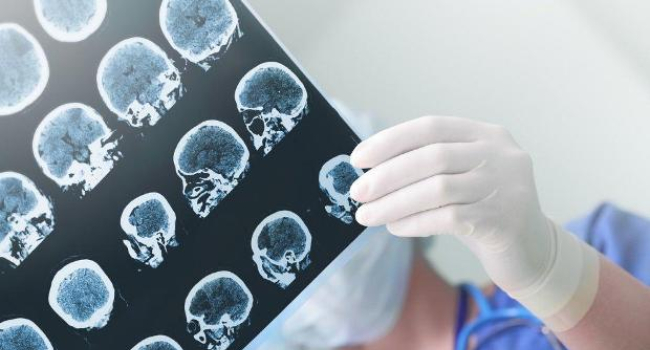
A new study in mice, published in the journal Cell, may shed light on the surprising link between cancer and Alzheimer’s disease.
Doctors have long observed that people who have survived cancer are less likely to suffer from Alzheimer’s disease, while tumors are less common among patients with dementia. Until now, there has been no clear biological explanation for this phenomenon.
Using a mouse model, scientists discovered a possible mechanism that could explain this connection. Alzheimer’s disease is associated with the accumulation of toxic protein plaques of beta-amyloid in the brain. These plaques disrupt communication between neurons, trigger inflammation, and gradually lead to memory loss and cognitive decline.
When mice were implanted with human tumors from the lungs, prostate, or colon, their brains stopped accumulating the typical amyloid plaques. In some experiments, the rodents’ memory even improved compared to a control group without tumors.
The researchers found that a protein called cystatin C, produced by tumors and released into the bloodstream, may be responsible. In the brain, this protein can bind to small clusters of beta-amyloid and “mark” them for destruction by microglia — the brain’s immune cells that act as a cleanup system. In mice with tumors, cystatin C activated the Trem2 receptor on microglia, shifting them into a more active state capable of clearing plaques more effectively.
However, it is important to note that these findings are based on experiments in mice, not humans. Mouse models reflect only part of the complex processes involved in Alzheimer’s disease, and it is still unknown whether tumors in real patients produce enough cystatin C or deliver it to the brain as effectively. Nevertheless, these results open new directions for future research and may help in developing treatment strategies aimed at activating the brain’s natural mechanisms for clearing pathological proteins.
Follow NEWS.am Medicine on Facebook and Twitter

- Related News
- SS: Inflammation under a baby's fingernail helped reveal a rare brain tumor The tumor was a glioblastoma, an aggressive form of brain cancer...
- Daughter’s wedding nearly caused a heart attack: doctors diagnose “happy heart syndrome” Doctors initially suspected a heart attack and performed coronary angiography...
- Rare Nerve Tumor Successfully Removed in Budapest, Restoring Patient’s Ability to Walk Following the procedure, the patient's quality of life and ability to walk independently were fully restored...
- Acute Hepatitis B Reported in Fully Vaccinated Patient Due to Possible Vaccine-Escape Mutation The patient initially sought medical attention for symptoms resembling heartburn...
- “Just Holding On”: New Treatments Offer Hope in the Fight Against Pancreatic Cancer “That was really hard,” admits Stinson, who describes herself as an optimist. “And I decided not to accept that prognosis,” she says with a laugh...
- Video




- Event calendar
- Archive
- Most read
month
week
day
- Cardiologists Urge Inclusion of Physical Exercise in Heart Disease Prevention 537
- Frontiers: Poor Sleep May Increase the Risk of Breast Cancer by 30% 523
- Stem Cell Reports: Nicotine Exposure During Pregnancy Permanently Weakens Offspring’s Immune Systems 519
- Nature: Researchers Link Faster Wound Healing to Female Sex Hormones 498
- BJN: Asparagus extract helps improve sleep and reduce anxiety 455
- Science Corporation Implants Vision-Restoring Chip in First Patient With Stargardt Disease 437
- Why Some People Avoid Alzheimer’s Despite Carrying a High-Risk Gene 273
- Nine-year study links changing loneliness patterns to increased heart disease risk 270
- Tea May Benefit Heart Health — but Drinking It Scalding Hot Could Be Risky 250
- Smartphone Habits Can Detect Stress With Up to 76% Accuracy, Scientists Find 239
- LSD does more than disrupt brain rhythms: It speeds them up and increases signal complexity 200
- PLOS: Yogurt and Canned Beans May Help Reduce the Risk of Colorectal Cancer 185
- AJOG: Birth Weight Is Linked to Later Performance in Math and Reading 164
- Noise-Canceling Headphones Reduced the Risk of Nausea After Gynecological Surgery by 32% 163
- Anesthesiology: Noise-Canceling Headphones Reduce the Risk of Nausea After Anesthesia 148
- Find us on Facebook
- Poll