


- Latest news▼
-
23:31, October 16 Cardiologists Urge Inclusion of Physical Exercise in Heart Disease Prevention

-
21:29, October 16 Stem Cell Reports: Nicotine Exposure During Pregnancy Permanently Weakens Offspring’s Immune Systems

-
19:15, October 16 Frontiers: Poor Sleep May Increase the Risk of Breast Cancer by 30%

-
17:26, October 16 Nature: Researchers Link Faster Wound Healing to Female Sex Hormones

-
15:05, October 16 BJN: Asparagus extract helps improve sleep and reduce anxiety

-
10:55, October 16 Science Corporation Implants Vision-Restoring Chip in First Patient With Stargardt Disease

-
08:41, October 16 Smartphone Habits Can Detect Stress With Up to 76% Accuracy, Scientists Find

-
21:36, October 15 Cardiologists Urge Inclusion of Physical Exercise in Heart Disease Prevention

-
19:41, October 15 RPTH: One to Two Cups of Coffee a Day Linked to a 51% Lower Risk of Recurrent Venous Thromboembolism

-
17:50, October 15 JACH: Eating Breakfast May Improve Psychological Flexibility

-
15:42, October 15 A Simple Way to Blunt Blood Sugar Spikes After Meals
-
12:33, October 15 Scientists Discover a Longevity Gene That Extends Lifespan by 14%

-
10:37, October 15 WHO: Lead Poisoning Claims More Than 3.5 Million Lives Every Year
-
08:47, October 15 Why It Can Sometimes Be Impossible to Stop Laughing: Neuroscientists Identify Two Mechanisms Behind Laughter

-
21:24, October 14 Molecular Cell: Bacteria Hide an Unusual Defense Mechanism That Activates When a Virus Attacks
All materials
Nature: Most people’s viruses remain “dormant”
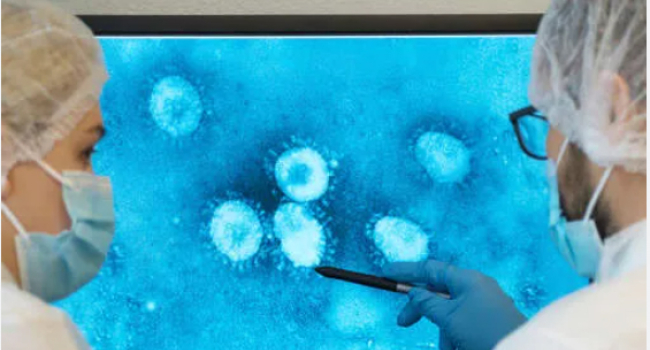
Even completely healthy individuals constantly carry viruses in their bodies—often in significant amounts. This conclusion comes from a study analyzing data from nearly one million people. The work was published in Nature.
The research was conducted by a team led by specialists from Harvard Medical School. Scientists examined blood and saliva samples from over 917,000 people and assessed the so-called viral load—the amount of viral DNA in the body.
“We’ve reached a stage where we can use human genetics to answer fundamental questions about how viruses cause disease,” said geneticist Nolan Kamitaki.
It turned out that in most people, viruses remain “dormant”: they are present in cells but do not cause symptoms. The immune system keeps them in check, preventing the infection from turning into illness. Analysis revealed 82 regions in the human genome associated with viral load levels. The major histocompatibility complex (MHC)—a key system regulating immune response—plays a particularly important role.
Scientists also identified patterns for specific viruses. For example, Epstein–Barr virus (EBV) is more common with age, with activity higher in winter and lower in summer. Other viruses are more stable. Using Mendelian randomization, researchers evaluated links between viruses and diseases. They found that a high Epstein–Barr viral load increases the risk of developing Hodgkin lymphoma. No similar association was found for multiple sclerosis, although EBV is considered a factor in its development.
“This result shows that it’s not just the infection itself that matters, but also how the immune system responds to it,” Kamitaki explained.
In addition to genetics, external factors—such as age, sex, and even smoking—affect viral levels. Most viruses were found more frequently in men.
As geneticist Steven McCarroll noted, the results highlight how closely genetics, lifestyle, and immune function are connected: “It’s remarkable how much DNA can tell us about biological processes and how our habits and genes shape them.”
The authors emphasize that the study only examined DNA viruses. In the future, scientists plan to study RNA viruses, including coronaviruses, to get a more complete picture of the “hidden” viral world within humans.
Follow NEWS.am Medicine on Facebook and Twitter

- Video



- Event calendar
- Archive
- Most read
month
week
day
- International ACTS Research Project to Support Smoking Cessation Launched in Armenia 539
- Molecular Cell: Bacteria Hide an Unusual Defense Mechanism That Activates When a Virus Attacks 497
- Cardiologists Urge Inclusion of Physical Exercise in Heart Disease Prevention 492
- Stem Cell Reports: Nicotine Exposure During Pregnancy Permanently Weakens Offspring’s Immune Systems 477
- Frontiers: Poor Sleep May Increase the Risk of Breast Cancer by 30% 475
- Nature: Researchers Link Faster Wound Healing to Female Sex Hormones 439
- HealthAI: Artificial Intelligence Helps Healthcare Shift from Treatment to Prevention 415
- Chemical Senses: A Healthy Diet May Be Linked to a Better Sense of Smell 392
- eClinicalMedicine: More Than 40% of Women with Autoimmune Diseases Have Experienced a Misdiagnosis of a Psychiatric Condition 383
- Pancreatic Cancer Can Change Its “Genetic Strategy”: Study Identifies Key Mechanisms 380
- Science Corporation Implants Vision-Restoring Chip in First Patient With Stargardt Disease 368
- BJN: Asparagus extract helps improve sleep and reduce anxiety 366
- Study: Healthy Diet During Pregnancy Reduces the Risk of Colic and Eczema in Children 354
- It's Not Just Weight: Body Shape Is Linked to Heart Attack Risk 336
- Study: Humanity Is Losing Gut Microbes Passed Down Through Generations 276
- Find us on Facebook
- Poll