


- Latest news▼
-
23:31, October 16 Cardiologists Urge Inclusion of Physical Exercise in Heart Disease Prevention

-
21:29, October 16 Stem Cell Reports: Nicotine Exposure During Pregnancy Permanently Weakens Offspring’s Immune Systems

-
19:15, October 16 Frontiers: Poor Sleep May Increase the Risk of Breast Cancer by 30%

-
17:26, October 16 Nature: Researchers Link Faster Wound Healing to Female Sex Hormones

-
15:05, October 16 BJN: Asparagus extract helps improve sleep and reduce anxiety

-
10:55, October 16 Science Corporation Implants Vision-Restoring Chip in First Patient With Stargardt Disease

-
08:41, October 16 Smartphone Habits Can Detect Stress With Up to 76% Accuracy, Scientists Find

-
21:36, October 15 Cardiologists Urge Inclusion of Physical Exercise in Heart Disease Prevention

-
19:41, October 15 RPTH: One to Two Cups of Coffee a Day Linked to a 51% Lower Risk of Recurrent Venous Thromboembolism

-
17:50, October 15 JACH: Eating Breakfast May Improve Psychological Flexibility

-
15:42, October 15 A Simple Way to Blunt Blood Sugar Spikes After Meals
-
12:33, October 15 Scientists Discover a Longevity Gene That Extends Lifespan by 14%

-
10:37, October 15 WHO: Lead Poisoning Claims More Than 3.5 Million Lives Every Year
-
08:47, October 15 Why It Can Sometimes Be Impossible to Stop Laughing: Neuroscientists Identify Two Mechanisms Behind Laughter

-
21:24, October 14 Molecular Cell: Bacteria Hide an Unusual Defense Mechanism That Activates When a Virus Attacks

All materials
How Fatty Liver Makes Cancer More Aggressive: Scientists Uncover an Unexpected Link
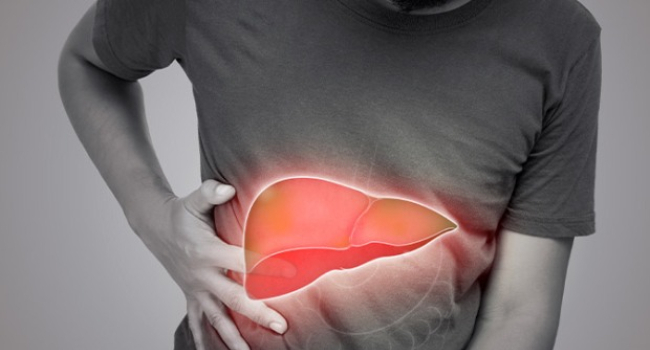
Researchers from VIB and KU Leuven, together with international collaborators, have discovered that fatty liver disease may promote the development of the most aggressive form of metastatic colorectal cancer. The study, published in Nature, demonstrates that the body's metabolic state can directly influence tumor behavior and disease outcomes.
Colorectal cancer remains one of the leading causes of cancer-related death worldwide. It accounts for nearly one in every ten cancer cases and is the leading cause of cancer death among people under the age of 50. One of the greatest clinical challenges is the development of metastases—secondary tumors that most commonly spread to the liver and dramatically worsen prognosis. Up to half of all patients develop liver metastases.
Scientists distinguish between two major types of liver metastases. In so-called encapsulated metastases, the tumor remains separated from healthy liver tissue, and the five-year survival rate reaches approximately 73%. In contrast, replacement metastases invade healthy liver tissue and integrate with its structure, making the disease far more aggressive and reducing five-year survival to below 44%.
Until now, little was known about why different patients develop these distinct metastatic patterns. The new study identifies fatty liver disease (hepatic steatosis) as an important risk factor. As obesity and metabolic disorders become increasingly common worldwide, fatty liver disease is also becoming more prevalent.
Analysis of patient samples and experimental models showed that fatty liver strongly favors the development of aggressive replacement-type liver metastases. According to the researchers, these findings reshape our understanding of the role of metabolic health in cancer progression.
The key mechanism involves metabolic changes within the liver. As fat accumulates, levels of fatty acids increase, affecting cancer cells by stabilizing MYC, one of the major proteins that drives tumor growth. Activated MYC enhances the synthesis of the amino acid proline, which is essential for collagen production. This, in turn, creates a structural scaffold that facilitates the invasion and spread of cancer cells throughout the liver.
These findings suggest that fatty liver disease is not merely a coexisting condition but actively creates an environment that makes liver metastases more aggressive and invasive.
The researchers note that the discovery also has important clinical implications. Drugs targeting MYC are already undergoing clinical trials, and the new findings could help identify patients who are most likely to benefit from these therapies—particularly individuals with fatty liver disease and aggressive replacement-type metastases.
The study also highlights several promising therapeutic strategies, including targeting MYC, blocking proline synthesis, or inhibiting collagen formation. In experimental models, these approaches reduced both metastatic growth and tumor spread.
The authors conclude that considering a patient's metabolic health could become an important component of personalized oncology. In the future, liver fat content may serve as a biomarker for predicting disease progression and guiding treatment decisions.
Follow NEWS.am Medicine on Facebook and Twitter

- Related News
- Pancreatic Cancer Can Change Its “Genetic Strategy”: Study Identifies Key Mechanisms According to the authors, nearly 85% of patients with this disease die within five years of diagnosis...
- eClinicalMedicine: More Than 40% of Women with Autoimmune Diseases Have Experienced a Misdiagnosis of a Psychiatric Condition Among women, 43% reported that their symptoms had previously been incorrectly attributed to psychiatric causes...
- LGH: The effect of aspirin on colorectal cancer may depend on the stage of the disease After treatment, participants took either aspirin or a placebo daily for up to three years...
- Scientists Discover Unexpected Gene That May Increase the Risk of Anorexia One particularly interesting finding was where the gene is active...
- Nighttime Heat Increases Anxiety and Alters Body Functions: Scientists Identify Possible Mechanisms Daytime heat exposure lasted from 9 a.m. to 5 p.m. at 32°C, while nighttime exposure took place from 10 p.m. to 6 a.m. at 30°C...
- Video




- Event calendar
- Archive
- Most read
month
week
day
- International ACTS Research Project to Support Smoking Cessation Launched in Armenia 443
- Molecular Cell: Bacteria Hide an Unusual Defense Mechanism That Activates When a Virus Attacks 426
- Cardiologists Urge Inclusion of Physical Exercise in Heart Disease Prevention 415
- Frontiers: Poor Sleep May Increase the Risk of Breast Cancer by 30% 401
- Stem Cell Reports: Nicotine Exposure During Pregnancy Permanently Weakens Offspring’s Immune Systems 400
- Nature: Researchers Link Faster Wound Healing to Female Sex Hormones 369
- Chemical Senses: A Healthy Diet May Be Linked to a Better Sense of Smell 356
- HealthAI: Artificial Intelligence Helps Healthcare Shift from Treatment to Prevention 338
- eClinicalMedicine: More Than 40% of Women with Autoimmune Diseases Have Experienced a Misdiagnosis of a Psychiatric Condition 320
- Pancreatic Cancer Can Change Its “Genetic Strategy”: Study Identifies Key Mechanisms 315
- Study: Healthy Diet During Pregnancy Reduces the Risk of Colic and Eczema in Children 313
- Science Corporation Implants Vision-Restoring Chip in First Patient With Stargardt Disease 304
- BJN: Asparagus extract helps improve sleep and reduce anxiety 300
- JES: Longer Sleep May Increase the Risk of Kidney Damage in People with Diabetes 296
- It's Not Just Weight: Body Shape Is Linked to Heart Attack Risk 291
- Find us on Facebook
- Poll