


- Latest news▼
-
18:30, September 29 Pomegranate compound may improve heart function by up to 80% in study

-
15:47, September 26 Scientists develop device to obtain live cells from suspicious tissue for early cancer detection

-
13:34, September 26 Virtual forest walk and classical music accelerated blood pressure reduction in emergency patients

-
11:05, September 26 Armenian pediatric oncologist Gevorg Tamamyan has been nominated by Botswana for the position of WHO Director-General

-
10:28, September 26 Could Earth’s magnetic field affect the aging process?

-
08:26, September 26 AI from Spain improves dermatological diagnosis

-
23:24, September 25 Study: Loneliness and social isolation may cost up to six years of healthy life

-
21:25, September 25 Magnetic bacteria extend worms’ lifespan by more than 43%, study finds
-
19:03, September 25 Chronic pain after cesarean delivery can affect women for years, study finds
-
16:58, September 25 Breath test may help distinguish cancerous lung nodules from benign ones, study finds

-
14:42, September 25 Study links overcrowding in emergency departments to hundreds of deaths each week
-
12:39, September 25 Experimental RNA therapy may help prevent muscle loss during GLP-1 weight loss

-
10:36, September 25 Introduction of solid foods triggers early functional changes in the infant gut microbiome

-
08:30, September 25 Lund University receives $19.4 million NIH grant to develop Alzheimer’s blood test

-
22:21, September 24 When Visual Signals Conflict, the Brain Works to Reach a Consensus

All materials
Eye Transplantation Could Become a Reality
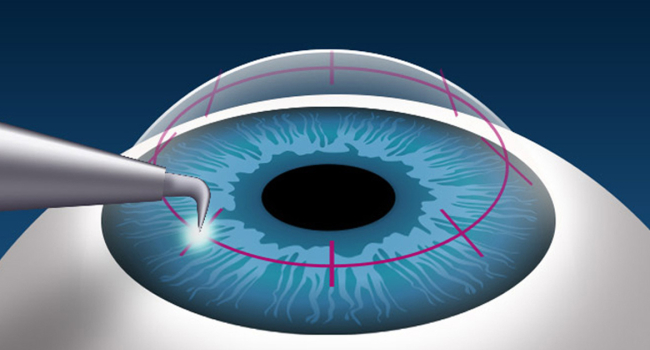
Researchers have developed a 3D-printed device called Eye-in-a-Care-Box (EcaBox) that preserves whole eyeballs by circulating an oxygen-rich solution around the eye. The system pumps the solution into the eye through a flexible tube inserted into the main artery and uses sensors to continuously regulate flow and pressure, according to IFLScience.
Experiments have shown that the new device can dramatically extend the survival of eyes outside the body. It even enabled pig eyes to continue transmitting electrical signals for more than 10 hours after death. Scientists believe that Eye-in-a-Care-Box could one day help make functional eye transplantation a reality.
Unlike heart, lung, or kidney transplants, a successful transplant of a functioning eye has never been achieved in humans, Focus reports. One of the main challenges is the retina, an extremely delicate tissue that is highly vulnerable to even brief interruptions in oxygen supply.
In 2024, surgeons performed a groundbreaking operation in which they transplanted part of a man's face along with a new left eye after he suffered a severe electrical injury. Although vision could not be restored, the transplanted retina responded to light and regained blood flow through a process known as reperfusion.
Inspired by this progress, researchers at the Barcelona Institute of Science and Technology in Spain developed the new preservation device. They initially tested it using pig eyes that were removed, placed on ice, and transported to the laboratory within 2.5 hours after death. Some of the eyes were preserved in the Eye-in-a-Care-Box, while others were stored in open air at 4°C. After 24 hours, the eyes kept in the device remained significantly more viable than those stored under conventional conditions.
During the experiments, the researchers observed fluid flowing through the blood vessels in 90% of successfully cannulated eyes. Microscopic examination confirmed that circulation reached not only larger vessels but also capillaries and tiny microvessels.
The team also used electroretinography (ERG), which measures the retina's electrical response to light. The results showed that 15 of the 36 perfused pig eyes continued responding to light while inside the device, in some cases for up to 10 hours after death. When perfusion was stopped, the electrical signals weakened, indicating that the oxygen supply was essential for maintaining retinal viability and light sensitivity.
The researchers also conducted several experiments on 12 human eyes obtained from six deceased donors. As with the pig eyes, the perfused human eyes were preserved significantly better than the control samples. However, it remains unclear whether they retained the light responses observed in the pig experiments.
The scientists hope their breakthrough will eventually make eye transplantation possible. In addition, they believe the Eye-in-a-Care-Box could serve as a valuable research platform for studying eye diseases and developing treatments for degenerative retinal disorders.
Follow NEWS.am Medicine on Facebook and Twitter




- Most read
month
week
day
- Experimental RNA therapy may help prevent muscle loss during GLP-1 weight loss 856
- Armenian pediatric oncologist Gevorg Tamamyan has been nominated by Botswana for the position of WHO Director-General 734
- Introduction of solid foods triggers early functional changes in the infant gut microbiome 734
- Study links overcrowding in emergency departments to hundreds of deaths each week 713
- Breath test may help distinguish cancerous lung nodules from benign ones, study finds 693
- Scientists develop device to obtain live cells from suspicious tissue for early cancer detection 691
- Magnetic bacteria extend worms’ lifespan by more than 43%, study finds 675
- Chronic pain after cesarean delivery can affect women for years, study finds 653
- GLP-1 Drugs Linked to Nutritional Deficiencies in Nearly 1 in 6 Children 621
- Lund University receives $19.4 million NIH grant to develop Alzheimer’s blood test 614
- Virtual forest walk and classical music accelerated blood pressure reduction in emergency patients 571
- Could Earth’s magnetic field affect the aging process? 570
- Flu Vaccination Has Started in Armenia: Foreign Nationals Can Also Get Vaccinated Free of Charge 562
- Study: Loneliness and social isolation may cost up to six years of healthy life 550
- NEG: 71% of People with Pulmonary Nodules Are Non-Smokers 507
- Find us on Facebook
- Poll