


- Latest news▼
-
12:47, October 7 Nature: Why Does the Immune System Stop Killing Dangerous “Zombie Cells”?

-
10:50, October 7 Nature: Why Does the Immune System Stop Killing Dangerous “Zombie Cells”?

-
08:44, October 7 Study: The Way a Person Speaks May Reveal Early Signs of Brain Aging

-
23:53, October 6 Study: One in Eight Cancer Cases Worldwide Is Linked to Preventable Infections

-
21:39, October 6 Sugar Exposure During the First 1,000 Days of Life Increases the Risk of Anxiety in Adulthood

-
19:56, October 6 Nature: AI Effectively Motivates Patients to Get Vaccinated

-
17:41, October 6 Cell: Vitamin D May Reduce Intestinal Inflammation

-
15:24, October 6 Scientists Find a Way to Rejuvenate Old Cells — Without Rewriting DNA

-
13:12, October 6 More Than 1,600 New Breast Cancer Cases Are Diagnosed in Armenia Every Year

-
08:39, October 6 NatCom: Losing belly fat slowed brain aging and protected memory

-
23:58, October 5 Dreaming: The more difficult the day, the more fear and anxiety appear in dreams

-
22:09, October 5 The 2026 Nobel Prize in Physiology or Medicine Recognized a Sequence of Discoveries

-
18:46, October 5 CanRes: The rate at which mutations accumulate in cells may determine cancer risk

-
14:06, October 5 Nobel Prize in Physiology or Medicine Awarded for Optogenetics

-
12:42, October 5 PNAS: The right hemisphere of the brain ages faster than the left

All materials
Study: Endometriosis affects the entire body, not just the pelvis
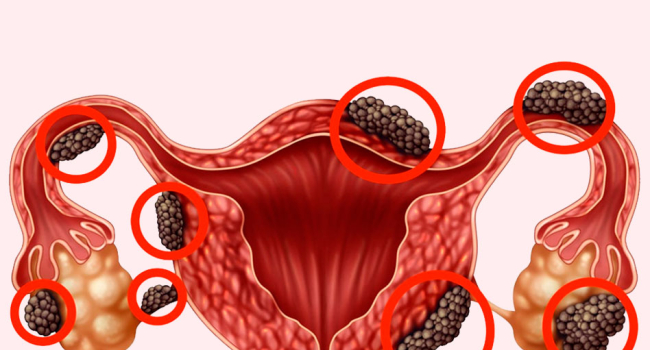
Endometriosis is associated with a wide range of symptoms extending far beyond pelvic pain, including migraines, digestive disorders, anxiety, depression and chronic fatigue, according to a new study led by researchers at the Sant Pau Research Institute (IR Sant Pau) in Spain. The findings, published in Human Reproduction, suggest the disease should be viewed as a complex systemic condition rather than solely a gynecological disorder.
Analyzing clinical data from more than 22,000 women enrolled in the All of Us Research Program, researchers identified distinct symptom patterns that help explain why endometriosis presents so differently from one patient to another and why diagnosis is frequently delayed.
Endometriosis affects around 10% of women of reproductive age, yet diagnosis often takes four to eleven years after symptoms first appear. Researchers say this delay is largely due to the disease's diverse manifestations, which are often treated as unrelated conditions.
The team evaluated 19 symptoms and commonly associated disorders, including chronic pelvic pain, abdominal pain, gastrointestinal complaints, migraines, anxiety, depression, infertility, chronic fatigue and irritable bowel syndrome.
Among premenopausal women, four major symptom profiles emerged. Nearly one in five patients experienced the most severe disease burden, combining intense pain with gastrointestinal symptoms and psychological distress. The largest group had moderate symptoms, primarily involving pain and emotional health. Another large subgroup was dominated by neurological and psychological symptoms—including migraines, anxiety and depression—while about one-fifth of women experienced relatively mild symptoms.
"Our findings show that endometriosis does not always present in the way clinicians traditionally expect," said Dr. Dora Koller, senior author of the study and researcher with the Women's Health and Perinatal Research Group at IR Sant Pau. "If we focus only on pelvic or menstrual pain, many patients may remain undiagnosed."
Researchers believe these symptom profiles help explain why many women spend years seeking answers. Patients may initially consult neurologists for migraines, gastroenterologists for digestive problems or mental health specialists for anxiety and depression, without recognizing that all of these symptoms may stem from the same underlying disease.
The study also found that women with both endometriosis and adenomyosis experienced significantly more severe disease. More than half of these patients fell into the highest-burden symptom groups, characterized by severe pain, gastrointestinal problems and emotional distress, while patients with mild symptoms were almost absent from this subgroup.
Beyond symptom patterns, the researchers found that women with more severe forms of the disease reported substantially poorer physical and mental health, greater limitations in daily activities, reduced social participation and lower overall quality of life.
The authors conclude that assessing endometriosis based solely on the location of lesions is insufficient. Instead, recognizing individual symptom profiles could improve earlier diagnosis, facilitate referral to appropriate specialists and support more personalized treatment strategies.
The study was published in the journal Human Reproduction.
Follow NEWS.am Medicine on Facebook and Twitter

- Video




- Event calendar
- Archive
- Most read
month
week
day
- The 2026 Nobel Prize in Physiology or Medicine Recognized a Sequence of Discoveries 1220
- Study: Suicidal Ideation Among US Teens Began Rising Sharply After Nearly Two Decades of Decline 780
- WHO: Global Life Expectancy Has Almost Returned to Pre-Pandemic Levels 663
- Scientists Discover New Mechanism Linking Biological Clocks, Cold, and Fat Metabolism 662
- More Than 1,600 New Breast Cancer Cases Are Diagnosed in Armenia Every Year 611
- Sugar Exposure During the First 1,000 Days of Life Increases the Risk of Anxiety in Adulthood 604
- Ophthalmology: Tooth Discovered Growing in Upper Orbit of 16-Year-Old Indian Teenager 602
- Dreaming: The more difficult the day, the more fear and anxiety appear in dreams 593
- Food & Function: Daily Consumption of 40 Grams of Walnuts Linked to Improved Overall Mood 589
- Study: The Way a Person Speaks May Reveal Early Signs of Brain Aging 585
- CanRes: The rate at which mutations accumulate in cells may determine cancer risk 545
- Nobel Prize in Physiology or Medicine Awarded for Optogenetics 532
- NatCom: Losing belly fat slowed brain aging and protected memory 526
- Study: One in Eight Cancer Cases Worldwide Is Linked to Preventable Infections 524
- Cell: Vitamin D May Reduce Intestinal Inflammation 495
- Find us on Facebook
- Poll