


- Latest news▼
-
22:46, September 3 At-Home Urine Test Could Detect Most Bladder Cancer Cases, Study Finds

-
20:38, September 3 Alcohol-Related Cancer Deaths Double in the U.S. as the Number of Such Deaths Rises Over 33 Years

-
18:29, September 3 An Unexpected Paradox: Both Very Low and Very High Testosterone Levels May Be Equally Dangerous for the Heart

-
16:11, September 3 The Independent: Aging Is the Main Risk Factor for Cancer

-
14:13, September 3 CC: Age-Related Changes in Memory May Begin as Early as 50

-
08:34, September 3 Scientists Find Who May Benefit More from Coffee in Terms of Parkinson’s Disease Risk

-
23:37, September 2 LDE: Popular Diabetes Drugs Linked to Risk of a Dangerous Complication in Certain Patients

-
19:45, September 2 European Journal of Nutrition: Some Additives in Ultra-Processed Foods May Be Linked to Depression Risk

-
17:29, September 2 Neuron: Human Brain Immune Cells Mature Hundreds of Times More Slowly Than Those in Mice

-
15:21, September 2 Frontiers in Nutrition: Sucralose and Stevia Altered the Gut Microbiome for Two Generations in Mice

-
13:13, September 2 Frontiers: Frequent Consumption of Sugary Drinks Linked to a 23% Higher Risk of ADHD in Children

-
11:12, September 2 Food & Function: Nuts May Accelerate Blood Vessel Recovery After Stroke

-
08:39, September 2 Scientists Discover Hidden Sign of Crohn’s Disease and Ulcerative Colitis Before a Flare-Up

-
22:41, September 1 Not Just APOE4: Scientists Identify 44 Genes That May Alter Alzheimer’s Risk

-
20:39, September 1 The Word “Diet” May Put Men Off: Study Suggests Easier Ways for Them to Lose Weight

All materials
Social Jetlag May Shift Eating Habits Toward Later Hours, Study Suggests
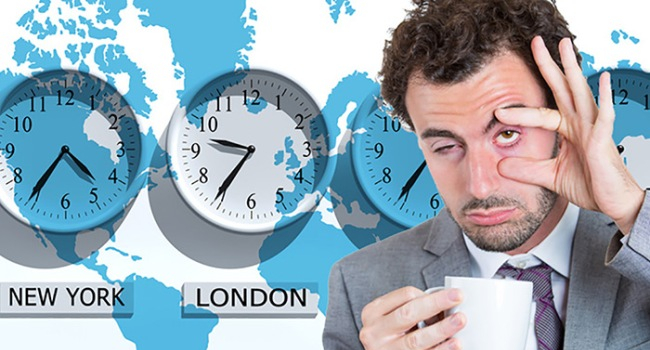
People whose sleep schedules differ significantly between workdays and weekends may be more likely to consume a greater proportion of their daily calories later in the evening, according to a new study published in npj Biological Timing and Sleep.
Researchers in the United Kingdom followed 101 healthy adults over a 14-day period spanning two workweeks and two weekends. Participants recorded everything they ate and drank while also providing information on their sleep patterns, physical activity, body weight, alcohol consumption, smoking habits, and other lifestyle factors.
The researchers focused on social jetlag—the difference between an individual's biological sleep rhythm and the sleep schedule imposed by work or other social obligations. Participants were classified according to whether the gap between weekday and weekend sleep timing was less than or greater than one hour.
Across the study population, daily energy intake followed a predictable pattern, gradually increasing throughout the day, peaking between 4:00 p.m. and 8:00 p.m., and declining later at night. However, participants with greater social jetlag tended to consume more of their daily calories during the late evening rather than earlier in the day.
The association was most evident among women. Those with less than one hour of social jetlag generally consumed more energy in the morning on weekdays and during the late morning on weekends. In contrast, women with greater social jetlag were more likely to shift calorie intake toward the late evening. Statistical analysis showed that each additional hour of social jetlag was associated with an average increase of about 62.5 kilocalories consumed late in the evening on weekdays.
Although the number of male participants was relatively small, researchers observed similar trends. Men with lower levels of social jetlag tended to consume more calories earlier in the day on weekends, while increasing social jetlag appeared to alter the timing of calorie intake, although several findings were less consistent because of the limited sample size.
The researchers note that the study did not find clear evidence that people with greater social jetlag consumed more total calories overall. Instead, the findings suggest that the timing of food intake, rather than the total amount eaten, changes as social jetlag increases.
Because previous studies have linked social jetlag with obesity, metabolic syndrome, and cardiovascular risk factors, the authors believe meal timing may be an important factor to consider when evaluating metabolic health. However, they caution that the study involved a relatively small, predominantly female group of healthy adults, relied on self-reported dietary data, and therefore may not fully represent the wider population.
The researchers conclude that future studies should further investigate how aligning sleep schedules with biological rhythms may influence eating behavior and long-term health.
Follow NEWS.am Medicine on Facebook and Twitter





- Most read
month
week
day
- An Unexpected Paradox: Both Very Low and Very High Testosterone Levels May Be Equally Dangerous for the Heart 935
- Alcohol-Related Cancer Deaths Double in the U.S. as the Number of Such Deaths Rises Over 33 Years 859
- European Journal of Nutrition: Some Additives in Ultra-Processed Foods May Be Linked to Depression Risk 841
- The Independent: Aging Is the Main Risk Factor for Cancer 838
- LDE: Popular Diabetes Drugs Linked to Risk of a Dangerous Complication in Certain Patients 836
- CC: Age-Related Changes in Memory May Begin as Early as 50 835
- At-Home Urine Test Could Detect Most Bladder Cancer Cases, Study Finds 818
- Scientists Find Who May Benefit More from Coffee in Terms of Parkinson’s Disease Risk 706
- Find us on Facebook
- Poll