


- Latest news▼
-
22:46, September 3 At-Home Urine Test Could Detect Most Bladder Cancer Cases, Study Finds

-
20:38, September 3 Alcohol-Related Cancer Deaths Double in the U.S. as the Number of Such Deaths Rises Over 33 Years

-
18:29, September 3 An Unexpected Paradox: Both Very Low and Very High Testosterone Levels May Be Equally Dangerous for the Heart

-
16:11, September 3 The Independent: Aging Is the Main Risk Factor for Cancer

-
14:13, September 3 CC: Age-Related Changes in Memory May Begin as Early as 50

-
08:34, September 3 Scientists Find Who May Benefit More from Coffee in Terms of Parkinson’s Disease Risk

-
23:37, September 2 LDE: Popular Diabetes Drugs Linked to Risk of a Dangerous Complication in Certain Patients
-
19:45, September 2 European Journal of Nutrition: Some Additives in Ultra-Processed Foods May Be Linked to Depression Risk

-
17:29, September 2 Neuron: Human Brain Immune Cells Mature Hundreds of Times More Slowly Than Those in Mice

-
15:21, September 2 Frontiers in Nutrition: Sucralose and Stevia Altered the Gut Microbiome for Two Generations in Mice

-
13:13, September 2 Frontiers: Frequent Consumption of Sugary Drinks Linked to a 23% Higher Risk of ADHD in Children

-
11:12, September 2 Food & Function: Nuts May Accelerate Blood Vessel Recovery After Stroke
-
08:39, September 2 Scientists Discover Hidden Sign of Crohn’s Disease and Ulcerative Colitis Before a Flare-Up

-
22:41, September 1 Not Just APOE4: Scientists Identify 44 Genes That May Alter Alzheimer’s Risk

-
20:39, September 1 The Word “Diet” May Put Men Off: Study Suggests Easier Ways for Them to Lose Weight

All materials
Science Translational Medicine: Scientists identify a way to significantly delay the return of the most aggressive brain tumor
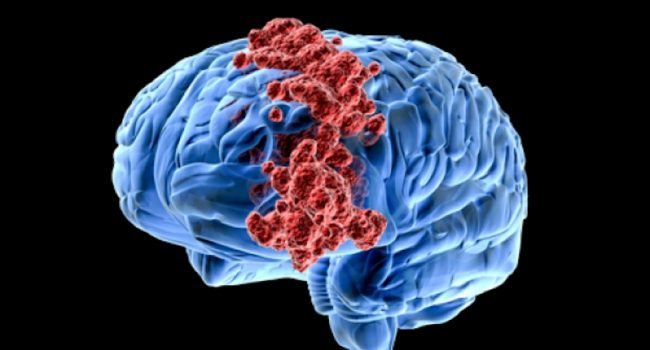
Researchers from the United Kingdom and Spain have discovered that immediately after surgery to remove glioblastoma—the most aggressive and common malignant brain tumor in adults—there is a brief period during which the remaining cancer cells become far more vulnerable to treatment. The findings were published in Science Translational Medicine.
Current standard treatment involves surgical removal of the tumor, followed by chemotherapy and radiotherapy four to six weeks later. During this interval, however, residual cancer cells can infiltrate healthy brain tissue, allowing the tumor to almost inevitably recur.
The researchers found that surgery temporarily disrupts the blood-brain barrier, which normally prevents most drugs from entering the brain. This creates two short therapeutic windows for treatment: the first immediately after surgery and the second 48 to 72 hours later.
In experiments involving mice, scientists injected lipid nanoparticles loaded with the chemotherapy drug doxorubicin into the bloodstream. The nanoparticles selectively accumulated along the margins of the removed tumor—the area where recurrence most commonly begins—while showing minimal penetration into healthy brain tissue.
According to the researchers, a single injection administered during either of these therapeutic windows was enough to significantly delay tumor recurrence and improve disease control while causing only minimal side effects.
Although lipid nanoparticles are already widely used in medicine to deliver a variety of drugs, including cancer therapies, they have not previously demonstrated significant effectiveness against glioblastoma. The new findings suggest that the timing of drug delivery may be just as important as the treatment itself.
The results have so far been demonstrated only in animal studies. The next step will be clinical trials involving patients. If confirmed in humans, the approach could reshape the current treatment strategy for glioblastoma by targeting residual tumor cells before they have the opportunity to regrow.
Follow NEWS.am Medicine on Facebook and Twitter





- Most read
month
week
day
- An Unexpected Paradox: Both Very Low and Very High Testosterone Levels May Be Equally Dangerous for the Heart 778
- Alcohol-Related Cancer Deaths Double in the U.S. as the Number of Such Deaths Rises Over 33 Years 719
- European Journal of Nutrition: Some Additives in Ultra-Processed Foods May Be Linked to Depression Risk 703
- LDE: Popular Diabetes Drugs Linked to Risk of a Dangerous Complication in Certain Patients 700
- Frontiers in Nutrition: Sucralose and Stevia Altered the Gut Microbiome for Two Generations in Mice 692
- The Independent: Aging Is the Main Risk Factor for Cancer 682
- CC: Age-Related Changes in Memory May Begin as Early as 50 679
- At-Home Urine Test Could Detect Most Bladder Cancer Cases, Study Finds 676
- Neuron: Human Brain Immune Cells Mature Hundreds of Times More Slowly Than Those in Mice 670
- Frontiers: Frequent Consumption of Sugary Drinks Linked to a 23% Higher Risk of ADHD in Children 664
- Food & Function: Nuts May Accelerate Blood Vessel Recovery After Stroke 613
- Scientists Find Who May Benefit More from Coffee in Terms of Parkinson’s Disease Risk 565
- Adolescent Alcohol Use Disrupts Brain Cell Connections and Alters Adult Behavior 524
- Missing Summer Already? Simple Ways to Beat the Back-to-Work Blues 494
- Not Just APOE4: Scientists Identify 44 Genes That May Alter Alzheimer’s Risk 475
- Find us on Facebook
- Poll