


- Latest news▼
-
22:46, September 3 At-Home Urine Test Could Detect Most Bladder Cancer Cases, Study Finds

-
20:38, September 3 Alcohol-Related Cancer Deaths Double in the U.S. as the Number of Such Deaths Rises Over 33 Years

-
18:29, September 3 An Unexpected Paradox: Both Very Low and Very High Testosterone Levels May Be Equally Dangerous for the Heart
-
16:11, September 3 The Independent: Aging Is the Main Risk Factor for Cancer

-
14:13, September 3 CC: Age-Related Changes in Memory May Begin as Early as 50

-
08:34, September 3 Scientists Find Who May Benefit More from Coffee in Terms of Parkinson’s Disease Risk

-
23:37, September 2 LDE: Popular Diabetes Drugs Linked to Risk of a Dangerous Complication in Certain Patients
-
19:45, September 2 European Journal of Nutrition: Some Additives in Ultra-Processed Foods May Be Linked to Depression Risk

-
17:29, September 2 Neuron: Human Brain Immune Cells Mature Hundreds of Times More Slowly Than Those in Mice
-
15:21, September 2 Frontiers in Nutrition: Sucralose and Stevia Altered the Gut Microbiome for Two Generations in Mice

-
13:13, September 2 Frontiers: Frequent Consumption of Sugary Drinks Linked to a 23% Higher Risk of ADHD in Children

-
11:12, September 2 Food & Function: Nuts May Accelerate Blood Vessel Recovery After Stroke
-
08:39, September 2 Scientists Discover Hidden Sign of Crohn’s Disease and Ulcerative Colitis Before a Flare-Up

-
22:41, September 1 Not Just APOE4: Scientists Identify 44 Genes That May Alter Alzheimer’s Risk
-
20:39, September 1 The Word “Diet” May Put Men Off: Study Suggests Easier Ways for Them to Lose Weight

All materials
Science Advances: Sugar Helps Cancer Hide from the Immune System, Discovery Could Change Immunotherapy
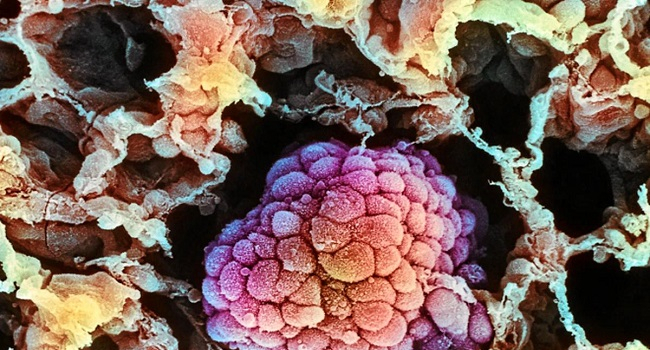
Scientists have identified a mechanism that allows cancer cells to evade the immune system and found a potential way to make them visible to the body again.
The study was published in the journal Science Advances.
Researchers found that tumor cells can create a protective “sugar coating” around themselves — a layer of carbohydrate-based molecules that prevents immune cells from recognizing and destroying them.
This protective layer, known as the glycocalyx, depends not only on the cancer cells themselves but also on their surrounding environment, known as the tumor microenvironment. It includes immune cells, blood vessels, connective tissue, proteins, and nutrients.
The scientists conducted experiments in which they grew cells under conditions designed to mimic different states of the body, ranging from soft, healthy tissue to the stiffer environment found inside tumors. They also varied glucose levels to investigate the effects of elevated blood sugar.
They found that excess glucose, combined with conditions characteristic of the tumor environment, caused cells to develop a thicker protective layer of carbohydrate molecules. This “sugar coating” helped cancer cells evade attacks by the immune system.
The researchers also identified a key role for the protein HSF1, which is involved in the cellular stress response. When this protein was absent, the ability of tumor cells to form the protective coating was reduced.
According to the researchers, drugs that block HSF1 could potentially “disarm” cancer cells and make immunotherapy more effective, particularly in metastatic cancer.
The findings may also help explain the link between high blood sugar, type 2 diabetes, and poorer outcomes in some cancer patients. Excess glucose may create conditions that give tumors an additional survival advantage.
At the same time, the researchers emphasize that the findings do not mean that sugar directly “feeds cancer.” Rather, the study identifies a biological mechanism through which metabolic disturbances may affect the ability of tumors to evade immune surveillance.
Further research will be needed to determine whether targeting HSF1 can improve cancer treatment and whether this approach can be safely translated into clinical practice.
Follow NEWS.am Medicine on Facebook and Twitter





- Most read
month
week
day
- An Unexpected Paradox: Both Very Low and Very High Testosterone Levels May Be Equally Dangerous for the Heart 926
- Alcohol-Related Cancer Deaths Double in the U.S. as the Number of Such Deaths Rises Over 33 Years 849
- European Journal of Nutrition: Some Additives in Ultra-Processed Foods May Be Linked to Depression Risk 832
- The Independent: Aging Is the Main Risk Factor for Cancer 829
- LDE: Popular Diabetes Drugs Linked to Risk of a Dangerous Complication in Certain Patients 827
- CC: Age-Related Changes in Memory May Begin as Early as 50 826
- Frontiers in Nutrition: Sucralose and Stevia Altered the Gut Microbiome for Two Generations in Mice 818
- At-Home Urine Test Could Detect Most Bladder Cancer Cases, Study Finds 809
- Neuron: Human Brain Immune Cells Mature Hundreds of Times More Slowly Than Those in Mice 801
- Scientists Find Who May Benefit More from Coffee in Terms of Parkinson’s Disease Risk 697
- Find us on Facebook
- Poll