


- Latest news▼
-
15:47, September 26 Scientists develop device to obtain live cells from suspicious tissue for early cancer detection

-
13:34, September 26 Virtual forest walk and classical music accelerated blood pressure reduction in emergency patients

-
11:05, September 26 Armenian pediatric oncologist Gevorg Tamamyan has been nominated by Botswana for the position of WHO Director-General

-
10:28, September 26 Could Earth’s magnetic field affect the aging process?

-
08:26, September 26 AI from Spain improves dermatological diagnosis

-
23:24, September 25 Study: Loneliness and social isolation may cost up to six years of healthy life

-
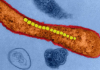
21:25, September 25 Magnetic bacteria extend worms’ lifespan by more than 43%, study finds
-
19:03, September 25 Chronic pain after cesarean delivery can affect women for years, study finds

-
16:58, September 25 Breath test may help distinguish cancerous lung nodules from benign ones, study finds

-
14:42, September 25 Study links overcrowding in emergency departments to hundreds of deaths each week

-
12:39, September 25 Experimental RNA therapy may help prevent muscle loss during GLP-1 weight loss

-
10:36, September 25 Introduction of solid foods triggers early functional changes in the infant gut microbiome

-
08:30, September 25 Lund University receives $19.4 million NIH grant to develop Alzheimer’s blood test

-
22:21, September 24 When Visual Signals Conflict, the Brain Works to Reach a Consensus

-
20:19, September 24 Coffee Can Disrupt Deep Sleep Even Without Keeping You Awake

All materials
JAMA Network Open: Waist Size Can Help Identify Obesity Risks That BMI May Miss

Measuring waist circumference may be one of the simplest ways to identify an increased risk of obesity-related diseases, according to a study by researchers at Rutgers Health. The findings were published in the scientific journal JAMA Network Open.
The researchers found that combining body mass index (BMI) with waist circumference can identify excess body fat and related health risks with the same accuracy as a more complex system that takes several body measurements into account. At the same time, waist circumference alone was found to be almost as effective.
The scientists analyzed data from about 1,900 Americans aged 20 to 59 who participated in the U.S. National Health and Nutrition Examination Survey. They compared several methods of diagnosing obesity with a highly accurate method of determining the amount of body fat.
Recently, an international group of experts proposed a more comprehensive approach that includes BMI, waist circumference, waist-to-height ratio, and waist-to-hip ratio. However, the study found that these additional measurements did not provide a significant advantage over simpler methods.
According to lead study author Aayush Visaria, needing to move up a clothing size or loosen a belt may be an early sign of excess body fat. However, he emphasized that clothing size is not a substitute for a medical measurement of waist circumference.
The researchers also found that BMI alone is insufficient to identify a substantial proportion of people with excess body fat. This is because BMI does not account for differences in body composition or fat distribution.
The scientists believe that regularly measuring waist circumference alongside body weight could help identify an increased risk of diabetes, cardiovascular disease, stroke, and certain types of cancer at an earlier stage.
The findings could contribute to future recommendations for obesity screening and encourage wider use of waist circumference measurements in clinical practice.
Follow NEWS.am Medicine on Facebook and Twitter




- Most read
month
week
day
- Experimental RNA therapy may help prevent muscle loss during GLP-1 weight loss 710
- Introduction of solid foods triggers early functional changes in the infant gut microbiome 670
- Study links overcrowding in emergency departments to hundreds of deaths each week 615
- Breath test may help distinguish cancerous lung nodules from benign ones, study finds 600
- Scientists develop device to obtain live cells from suspicious tissue for early cancer detection 597
- Armenian pediatric oncologist Gevorg Tamamyan has been nominated by Botswana for the position of WHO Director-General 595
- Springer Nature: Scientists show that boys and girls perceive the world differently from the first hours of life 581
- GLP-1 Drugs Linked to Nutritional Deficiencies in Nearly 1 in 6 Children 579
- Magnetic bacteria extend worms’ lifespan by more than 43%, study finds 569
- Lund University receives $19.4 million NIH grant to develop Alzheimer’s blood test 562
- Chronic pain after cesarean delivery can affect women for years, study finds 562
- Flu Vaccination Has Started in Armenia: Foreign Nationals Can Also Get Vaccinated Free of Charge 515
- After 30 Years of Research, First Drug Developed for Rare Progressive Brain Disease 501
- Stopping GLP-1 drugs may quickly reduce their heart-protective benefits 499
- NEG: 71% of People with Pulmonary Nodules Are Non-Smokers 488
- Find us on Facebook
- Poll