


- Latest news▼
-
18:30, September 29 Pomegranate compound may improve heart function by up to 80% in study

-
15:47, September 26 Scientists develop device to obtain live cells from suspicious tissue for early cancer detection

-
13:34, September 26 Virtual forest walk and classical music accelerated blood pressure reduction in emergency patients

-
11:05, September 26 Armenian pediatric oncologist Gevorg Tamamyan has been nominated by Botswana for the position of WHO Director-General

-
10:28, September 26 Could Earth’s magnetic field affect the aging process?

-
08:26, September 26 AI from Spain improves dermatological diagnosis

-
23:24, September 25 Study: Loneliness and social isolation may cost up to six years of healthy life

-
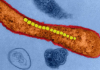
21:25, September 25 Magnetic bacteria extend worms’ lifespan by more than 43%, study finds
-
19:03, September 25 Chronic pain after cesarean delivery can affect women for years, study finds

-
16:58, September 25 Breath test may help distinguish cancerous lung nodules from benign ones, study finds

-
14:42, September 25 Study links overcrowding in emergency departments to hundreds of deaths each week

-
12:39, September 25 Experimental RNA therapy may help prevent muscle loss during GLP-1 weight loss

-
10:36, September 25 Introduction of solid foods triggers early functional changes in the infant gut microbiome

-
08:30, September 25 Lund University receives $19.4 million NIH grant to develop Alzheimer’s blood test

-
22:21, September 24 When Visual Signals Conflict, the Brain Works to Reach a Consensus

All materials
In the U.S., Prescriptions for Obesity Drugs for Children Under 12 Increased 310-Fold in Seven Years

The number of prescriptions for obesity medications among children aged 8 to 11 in the United States increased 310-fold over a seven-and-a-half-year period, although the absolute number of children receiving these medications remains relatively small. Researchers at NYU Langone Health reached this conclusion in a study published in the journal Pediatrics.
According to the study, the proportion of children aged 8 to 11 with obesity but without diabetes who were prescribed GLP-1 drugs increased from 0.03% in 2019 to 9.3% in 2026. During this period, a total of 20,282 children received these medications.
Among adolescents aged 12 to 17, GLP-1 drugs were prescribed somewhat more frequently — 0.9% compared with 0.6% among younger children. Clinical guidelines allow certain medications in this class to be used to treat obesity in children starting at age 8.
Nearly 94% of the children prescribed GLP-1 drugs had severe obesity. Some 65.2% had obesity-related diseases or conditions, including elevated cholesterol, high blood pressure, and sleep apnea. Approximately one-quarter of the children had prediabetes.
Researchers note that GLP-1 drugs can help promote weight loss, improve blood sugar control, and reduce appetite. However, they emphasize the need for long-term monitoring of children taking these medications to assess their safety and effectiveness.
The study also identified disparities in access to treatment. Children with obesity living in higher-income areas were 55% more likely to receive GLP-1 prescriptions than their peers from lower-income areas. According to the researchers, this may indicate a growing gap between children who have access to modern obesity treatments and those who do not.
The authors used data from Epic Cosmos, an electronic health record system containing information on more than 300 million patients in the United States.
Follow NEWS.am Medicine on Facebook and Twitter




- Most read
month
week
day
- Experimental RNA therapy may help prevent muscle loss during GLP-1 weight loss 921
- Armenian pediatric oncologist Gevorg Tamamyan has been nominated by Botswana for the position of WHO Director-General 789
- Study links overcrowding in emergency departments to hundreds of deaths each week 755
- Introduction of solid foods triggers early functional changes in the infant gut microbiome 741
- Scientists develop device to obtain live cells from suspicious tissue for early cancer detection 740
- Breath test may help distinguish cancerous lung nodules from benign ones, study finds 738
- Magnetic bacteria extend worms’ lifespan by more than 43%, study finds 722
- Chronic pain after cesarean delivery can affect women for years, study finds 695
- GLP-1 Drugs Linked to Nutritional Deficiencies in Nearly 1 in 6 Children 640
- Lund University receives $19.4 million NIH grant to develop Alzheimer’s blood test 634
- Could Earth’s magnetic field affect the aging process? 619
- Virtual forest walk and classical music accelerated blood pressure reduction in emergency patients 615
- Study: Loneliness and social isolation may cost up to six years of healthy life 600
- AI from Spain improves dermatological diagnosis 545
- NEG: 71% of People with Pulmonary Nodules Are Non-Smokers 517
- Find us on Facebook
- Poll