


- Latest news▼
-
14:26, September 21 A&D: Residents of Two Amazonian Indigenous Communities Showed Unusually Low Rates of Dementia

-
12:21, September 21 JAMA: High Salivary Cortisol Levels Are Associated With Memory Decline

-
08:45, September 21 Nature Communications: You Don’t Have to Choose One “Perfect” Diet to Slow Aging

-
21:38, September 20 Florida Records One of the Largest Dengue Outbreaks in Decades: One Person Has Died

-
17:26, September 20 PLOS Medicine: More REM Sleep Is Associated With a Lower Risk of 83 Diseases

-
12:43, September 20 PNAS: Early Deafness Changes Brain Function and Enhances Peripheral Vision

-
20:17, September 19 Vision Loss Can Cause Hallucinations: What Is Charles Bonnet Syndrome?

-
17:32, September 19 Scientists Discover How Aggressive Brain Tumors Use Nerve Cells to Grow

-
15:24, September 19 What Happens to the Body After a Cup of Coffee: Seven Unexpected Effects

-
12:46, September 19 Physical Activity Lowers the Risk of Type 2 Diabetes, Especially in People Under 63, Researchers Find

-
08:34, September 19 Study: Irregular Weekend Eating May Harm Men’s Heart Health

-
22:49, September 18 Study: Steps reduce the risk of early death, but walking speed also matters

-
20:35, September 18 Study: Light pollution during nighttime sleep negatively affects the human heart

-
18:26, September 18 Frontiers in Physiology: Chocolate aroma helped increase exercise volume

-
14:21, September 18 The Lancet: Wildfire smoke may be more harmful than pollution from urban traffic
All materials
A&D: Residents of Two Amazonian Indigenous Communities Showed Unusually Low Rates of Dementia
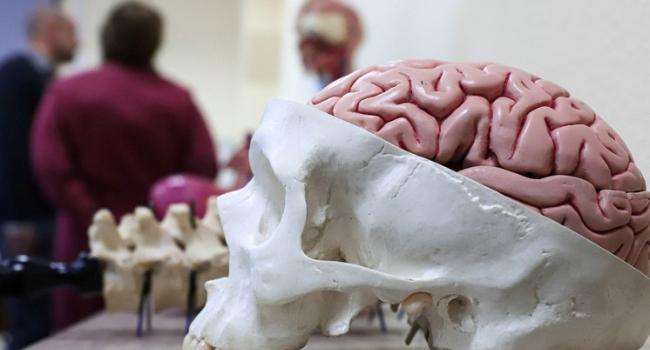
Two Indigenous communities in the Bolivian Amazon have been found to have unusually low rates of dementia. Over five years, fewer than 2% of older participants developed the condition, while dementia prevalence in the United States and Europe is three to four times higher. The findings were published in the journal Alzheimer’s & Dementia (A&D).
The researchers followed 730 adult residents of the Tsimane and Moseten communities who did not have dementia at the beginning of the study. Over five years, 22 participants were diagnosed with the condition. Some people died before the study ended, so the researchers also took the high mortality rate among older residents into account.
The Tsimane are a population of about 17,000 people who rely on hunting, fishing, and farming and lead physically active lives. The Moseten are genetically and linguistically related to the Tsimane but have greater access to stores, clean water, and medical care.
The authors believe that the low rate of dementia may be associated with lifestyle factors. Members of both groups have lower rates of certain risk factors for vascular disease, including obesity, hypertension, and diabetes. However, the study did not establish a direct link between these characteristics and protection against dementia.
Genetic risk factors were similar to those observed in developed countries. Older age and carrying the APOE ε4 gene variant increased the likelihood of developing dementia.
At the same time, the disease among Amazonian residents often differed from typical Alzheimer’s disease. Many patients showed signs of vascular disorders, strokes, and changes characteristic of Parkinson’s disease. Biomarker analysis also revealed evidence of neurodegeneration and inflammation.
The researchers note that the low prevalence of dementia cannot be explained by lifestyle alone: after receiving a diagnosis, participants’ life expectancy was two to three times shorter than in the United States, and their risk of death was more than six times higher than that of people without cognitive impairment.
In future studies, the researchers plan to determine how much of the unusually low risk of dementia can be attributed to diet, physical and social activity, genetics, and differences in immune system function.
Follow NEWS.am Medicine on Facebook and Twitter





- Most read
month
week
day
- PNAS: British Scientists Map Visual Brain Areas in Deaf People for the First Time 621
- Study: Steps reduce the risk of early death, but walking speed also matters 597
- NEJM: Atherosclerotic Plaques May Appear in the Arteries as Early as Age 18 557
- NBC News: U.S. surgeons successfully separate conjoined twin girls joined at the head 551
- Air Pollution May Increase the Risk of Suicidal Thoughts and Suicide 534
- Study: Light pollution during nighttime sleep negatively affects the human heart 531
- Daily Mail: Rare IRF8 Immunodeficiency May Increase Susceptibility to Cancer 527
- EHJ: Scientists Find That Sleeping in Complete Darkness May Benefit Heart Health 509
- Annals of Behavioral Medicine: One Partner’s Poor Sleep May Worsen the Other Partner’s Diet 491
- The Lancet: Wildfire smoke may be more harmful than pollution from urban traffic 487
- Cataract Surgery in Europe Has Become Safer: Complications Occur in Less Than 1% of Cases 473
- PM: Reading for Pleasure Linked to Better Mental Health and Lower Risk of Dementia 470
- Nutrition & Diabetes: Eight-Hour Eating Window Linked to Greater Weight Loss With Intermittent Fasting 467
- Why Do Some People Develop PTSD After a Brain Injury While Others Do Not? Scientists May Have Found a Possible Reason 453
- Frontiers in Physiology: Chocolate aroma helped increase exercise volume 453
- Find us on Facebook
- Poll