


- Latest news▼
-
10:55, October 16 Science Corporation Implants Vision-Restoring Chip in First Patient With Stargardt Disease

-
21:24, October 14 Molecular Cell: Bacteria Hide an Unusual Defense Mechanism That Activates When a Virus Attacks

-
19:47, October 14 Chemical Senses: A Healthy Diet May Be Linked to a Better Sense of Smell

-
17:39, October 14 It's Not Just Weight: Body Shape Is Linked to Heart Attack Risk

-
15:42, October 14 Study: Humanity Is Losing Gut Microbes Passed Down Through Generations

-
13:48, October 14 International ACTS Research Project to Support Smoking Cessation Launched in Armenia

-
12:33, October 14 Study: Healthy Diet During Pregnancy Reduces the Risk of Colic and Eczema in Children

-
10:30, October 14 HealthAI: Artificial Intelligence Helps Healthcare Shift from Treatment to Prevention

-
08:36, October 14 Pancreatic Cancer Can Change Its “Genetic Strategy”: Study Identifies Key Mechanisms

-
23:37, October 13 eClinicalMedicine: More Than 40% of Women with Autoimmune Diseases Have Experienced a Misdiagnosis of a Psychiatric Condition

-
21:42, October 13 JES: Longer Sleep May Increase the Risk of Kidney Damage in People with Diabetes

-
19:40, October 13 CB: Kefir, Yogurt, and Cottage Cheese May Support Muscle Growth and Repair

-
17:38, October 13 F&F: Japanese Apricot May Help Fight Helicobacter pylori

-
14:29, October 13 107 Epigenetic Markers Linked to Alzheimer’s Disease Identified

-
12:35, October 13 AJHG: X-Chromosome Features May Increase Autism Risk in Men Fourfold

All materials
Stopping GLP-1 drugs may quickly reduce their heart-protective benefits
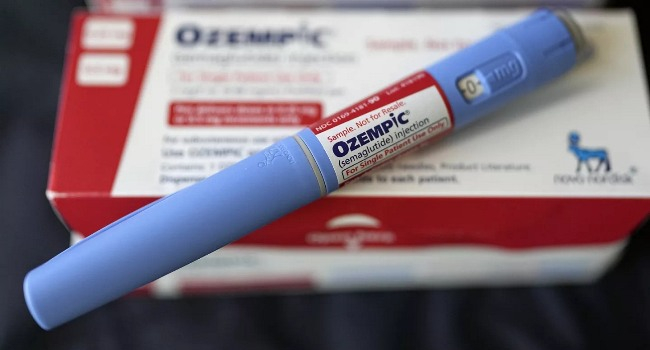
Discontinuing popular GLP-1 medications such as Ozempic, Wegovy, Mounjaro and Zepbound may cause their cardiovascular benefits to fade rapidly, according to a large new study.
Researchers from Washington University School of Medicine in St. Louis found that people with type 2 diabetes who stopped taking GLP-1 drugs faced a progressively higher risk of major cardiovascular events. After two years without treatment, their risk of heart attack, stroke or death was 22% higher than that of people who continued taking the medications.
GLP-1 drugs, including semaglutide and tirzepatide, are widely used to treat type 2 diabetes and obesity. In addition to helping with blood sugar control and weight loss, these medications have been shown to provide cardiovascular benefits.
For the new study, researchers analyzed health records from more than 333,000 U.S. veterans with type 2 diabetes and followed them for up to three years. Among them, 132,551 had been prescribed GLP-1 drugs, while 201,136 had been prescribed sulfonylureas, another class of diabetes medications.
The researchers reassessed treatment status every six months. About 26% of GLP-1 users eventually stopped treatment, while another 23% experienced a treatment interruption lasting at least six months before restarting.
The strongest cardiovascular protection was seen among people who remained on GLP-1 therapy throughout the three-year study. Compared with those taking sulfonylureas, continuous GLP-1 users had an 18% lower risk of major cardiovascular events — equivalent to about four fewer events per 100 people over three years.
The benefits became less pronounced when treatment was interrupted. People who stopped taking GLP-1 drugs and later restarted them had an average 12% reduction in cardiovascular risk, compared with an 18% reduction among those who remained on treatment continuously.
Even a six-month treatment gap was associated with a 4% to 8% increase in cardiovascular risk compared with uninterrupted use. The longer the medications were discontinued, the greater the apparent loss of protection. A one-year interruption was associated with a 14% higher risk, while two years without treatment was associated with a 22% higher risk.
The findings suggest that cardiovascular benefits gained during GLP-1 treatment may diminish relatively quickly once therapy is stopped. Restarting treatment appeared to restore some protection, but not all of it.
"There is enormous exuberance about starting GLP-1 drugs, but not nearly enough attention to what happens when people stop," said senior author Ziyad Al-Aly, a clinical epidemiologist at Washington University School of Medicine and chief of the Research and Development Service at the VA Saint Louis Health Care System.
According to Al-Aly, people may discontinue treatment because of cost, side effects or medication shortages. He noted that stopping therapy may involve more than regaining lost weight, as metabolic changes such as increases in inflammation, blood pressure and cholesterol may also return.
The researchers said the findings highlight the importance of treatment continuity for maintaining the cardiovascular effects of GLP-1 medications. They also emphasized the need to address barriers that can lead patients to discontinue therapy.
The study was published in BMJ Medicine. It was funded by the U.S. Department of Veterans Affairs.
Follow NEWS.am Medicine on Facebook and Twitter

- Video




- Event calendar
- Archive
- Most read
month
week
day
- Can a Healthy Diet Help Preserve Memory? Study Reveals Limitations of Popular Diets 823
- EU Countries to Discuss Possible Plague Outbreak in Russia 762
- Blood Markers May Reveal Signs of Accelerated Immune Aging 745
- Scientists Discover How Horseback Riding Affects Behavior in Children with Autism 726
- Study: Even Short-Term E-Cigarette Use Damages the Lungs 710
- Diabetes: Olive Oil Before Carbohydrates Reduced the Rise in Blood Glucose 706
- Frontiers in Psychology: Scientists Find That Nature Walks Can Help Lonely People 704
- Study: Memory Decline Between Ages 60 and 69 Is Linked to an Increased Risk of Stroke 703
- WHO Reports 8,700 Confirmed Ebola Cases in the Democratic Republic of the Congo 701
- Cannabis Does Not Improve Sleep: Study Reveals an Unexpected Effect 686
- International ACTS Research Project to Support Smoking Cessation Launched in Armenia 337
- Molecular Cell: Bacteria Hide an Unusual Defense Mechanism That Activates When a Virus Attacks 303
- Chemical Senses: A Healthy Diet May Be Linked to a Better Sense of Smell 286
- Study: Healthy Diet During Pregnancy Reduces the Risk of Colic and Eczema in Children 252
- HealthAI: Artificial Intelligence Helps Healthcare Shift from Treatment to Prevention 228
- Find us on Facebook
- Poll