


- Latest news▼
-
21:29, October 1 Nearly 95% of Viral Videos on Korean “Glass Skin” Care Contain Misleading Advice, Scientists Find

-
19:24, October 1 ABC News: 40% of the World’s Population Was Exposed to Dangerous Ozone Levels This Year

-
17:18, October 1 CDN: Fruit Juice Does Not Lower Heart Disease Risk Like Whole Fruits

-
15:16, October 1 PLOS Medicine: Brain Age Gap Was Largest in Dementia

-
13:14, October 1 Biomolecules: Mulberries May Improve Gut Health and Metabolism

-
11:00, October 1 Anti-Cancer Associations of China, Egypt and Kazakhstan Support Gevorg Tamamyan’s Candidacy

-
08:46, October 1 Food Is Always on Their Mind: Scientists Find Who Is More Likely to Experience “Food Noise”

-
20:25, September 30 Neuron: Lymph Node Removal Associated With a 25% Rate of Cognitive Impairment

-
18:24, September 30 The Lancet Oncology: Infections Account for One in Eight Cancer Diagnoses Worldwide

-
16:30, September 30 Xinhua: Fatty Diet Leads to the Formation of 248 Gallstones in Man

-
14:21, September 30 ACS: Menthol Additive Significantly Prolongs and Intensifies the Effects of Nicotine

-
12:23, September 30 MM: Excess Dietary Salt Raises the Risk of Fatty Liver Disease in Lean People
-
08:26, September 30 Scientists Discover a ‘Pause’ in Metastasis Development When Cancer Cells Are Especially Vulnerable

-
22:54, September 29 A Drop of Blood and 10 Minutes: Scientists Develop Rapid Test for Stroke Medications

-
20:37, September 29 AI Learns to Detect Damaged Areas of the Heart from Electrical Signals Recorded at the Body Surface

All materials
Nearly 95% of Viral Videos on Korean “Glass Skin” Care Contain Misleading Advice, Scientists Find
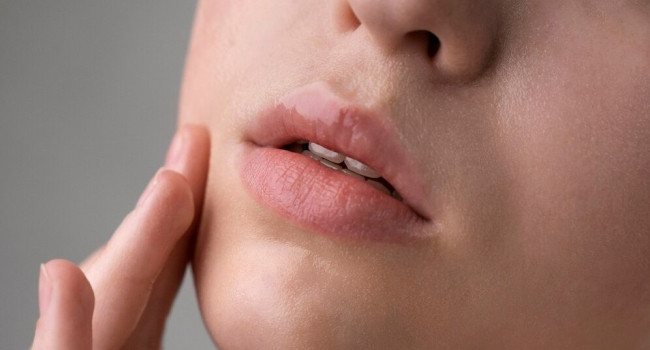
Nearly 95% of popular TikTok videos about Korean skincare and achieving so-called “glass skin” contain at least one potentially misleading claim. At the same time, basic warnings about possible risks to the skin are extremely rare. These are the findings of researchers who presented their results at the 2026 Congress of the European Academy of Dermatology and Venereology, Medical Xpress reports.
On social media, “glass skin” refers to skin that is smooth, clear and well hydrated. The trend has gained popularity worldwide, while individual skincare recommendation videos have attracted millions of views.
Researchers analyzed popular TikTok videos about Korean skincare and “glass skin” posted in May 2026. To reduce the influence of the platform’s algorithm, they used an account with no viewing or interaction history. After screening, 38 videos were included in the study.
Nearly 95% of the videos contained at least one potentially misleading claim, 84% failed to account for differences between skin types, and 45% recommended combining multiple active ingredients without sufficient safety warnings. Another 32% of the videos promised rapid results.
Basic information about potential risks was largely absent. Only one video mentioned the possibility of skin irritation, two warned about the need for sun protection, and none mentioned the risk of contact dermatitis. None of the videos recommended consulting a dermatologist.
About 82% of the videos were created by people without medical training, 11% by cosmetic brands and another 8% by other beauty-content creators. No videos by dermatologists were included in the analyzed material.
A separate study, also presented at the congress, showed the potential consequences of such recommendations. It included 94 patients who developed new skin problems or experienced worsening of existing conditions after using cosmetic or dermatological products promoted on social media.
The problems were most commonly associated with products containing alpha hydroxy acids (AHAs) and beta hydroxy acids (BHAs), which accounted for 34% of cases. They were followed by over-the-counter retinoids at 27%, vitamin C serums at 14%, and niacinamide products at 11%.
Nearly half of the patients — 48% — had completely adopted their skincare routines from social media, while 63% were simultaneously using more than three active ingredients.
The most common reaction was irritant contact dermatitis, accounting for 42% of cases. Another 28% of patients developed acne or experienced a significant worsening of existing acne, while 12% had a flare-up of rosacea or rosacea-like inflammation. Post-inflammatory hyperpigmentation occurred in 11% of cases, while 7% involved superficial chemical burns.
The researchers emphasize that the problem is not Korean cosmetics themselves. Their greater concern is how principles such as gentle cleansing, moisturizing and restoring the skin barrier are transformed on social media into complex, one-size-fits-all skincare routines that are recommended without taking individual characteristics into account.
Follow NEWS.am Medicine on Facebook and Twitter





- Most read
month
week
day
- Experimental RNA therapy may help prevent muscle loss during GLP-1 weight loss 999
- Armenian pediatric oncologist Gevorg Tamamyan has been nominated by Botswana for the position of WHO Director-General 868
- Scientists develop device to obtain live cells from suspicious tissue for early cancer detection 804
- Study links overcrowding in emergency departments to hundreds of deaths each week 801
- Breath test may help distinguish cancerous lung nodules from benign ones, study finds 788
- Introduction of solid foods triggers early functional changes in the infant gut microbiome 768
- Magnetic bacteria extend worms’ lifespan by more than 43%, study finds 768
- Chronic pain after cesarean delivery can affect women for years, study finds 735
- Lund University receives $19.4 million NIH grant to develop Alzheimer’s blood test 679
- Virtual forest walk and classical music accelerated blood pressure reduction in emergency patients 669
- Could Earth’s magnetic field affect the aging process? 664
- Study: Loneliness and social isolation may cost up to six years of healthy life 655
- AI from Spain improves dermatological diagnosis 609
- When Visual Signals Conflict, the Brain Works to Reach a Consensus 519
- Pomegranate compound may improve heart function by up to 80% in study 404
- Find us on Facebook
- Poll