


- Latest news▼
-
15:23, October 21 Tea May Benefit Heart Health — but Drinking It Scalding Hot Could Be Risky

-
13:25, October 21 Why Some People Avoid Alzheimer’s Despite Carrying a High-Risk Gene

-
10:47, October 20 SciRep: Walking More Than 8,000 Steps a Day Is Linked to Better Attention

-
08:32, October 20 Nature: AI Links Brown Fat to Heart, Vascular, and Mental Health

-
18:51, October 19 Oxytocin May Make Childhood Memories More Negative in People with Relationship Anxiety

-
16:48, October 19 Polyphenols in coffee and fruit linked to lower risk of telomere shortening

-
14:50, October 19 Anesthesiology: Noise-Canceling Headphones Reduce the Risk of Nausea After Anesthesia
-
12:44, October 19 PLOS: Yogurt and Canned Beans May Help Reduce the Risk of Colorectal Cancer

-
10:39, October 19 AJOG: Birth Weight Is Linked to Later Performance in Math and Reading

-
08:41, October 19 Postoperative Monitoring Apps Reduced Hospital Readmissions by 15%

-
23:12, October 18 Noise-Canceling Headphones Reduced the Risk of Nausea After Gynecological Surgery by 32%

-
18:17, October 18 HealthDay: Strength Training After 60 Helps Strengthen Bones and Maintain Brain Health

-
12:43, October 18 Scientists Unveil Scanner That Captures Whole-Body Images in Just 60 Seconds
-
22:17, October 17 eClinicalMedicine: Drug-Coated Balloons Could Offer an Alternative to Permanent Stents in Heart Treatment

-
18:31, October 17 Scientists Discover How Hot Peppers Could Help Develop Safer Painkillers

All materials
Noise-Canceling Headphones Reduced the Risk of Nausea After Gynecological Surgery by 32%
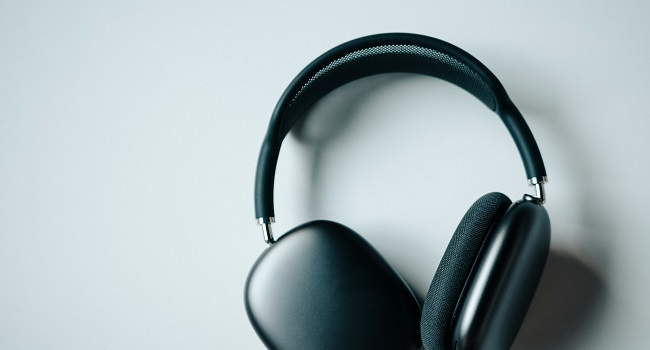
Wearing noise-canceling headphones during minimally invasive gynecological surgery under general anesthesia may reduce the risk of postoperative nausea and vomiting by 32%. This is the conclusion of a randomized clinical trial whose findings were presented at the annual Anesthesiology 2026 conference, Medical Xpress reports.
The study included 192 patients aged 18 to 65. Half wore standard over-ear noise-canceling headphones from the time they were given anesthesia until the end of surgery. The remaining participants underwent surgery without headphones. All patients received the same anesthesia and standard medications to prevent nausea and vomiting.
Within 48 hours of surgery, nausea or vomiting occurred in 35.4% of patients who wore headphones, compared with 52.1% of those in the control group. This represented an approximately 32% lower risk of these complications. In practical terms, using headphones prevented about 17 cases of postoperative nausea and vomiting per 100 patients. In addition, symptoms were less severe during the first 24 hours after surgery among patients who wore headphones. No increase in adverse events was observed in this group.
Postoperative nausea and vomiting are among the most common and unpleasant consequences of surgery and anesthesia. They can lead to dehydration, slow recovery, require additional medication and prolong stays in the recovery room. Anesthetics and painkillers are known to increase the risk of these complications. However, the researchers suggest that noise in the operating room may also play a role.
The average noise level in the operating rooms during the study was approximately 66 decibels — somewhere between the volume of a normal conversation and that of a vacuum cleaner running nearby. However, the mechanisms through which sound may affect the body while a patient is under anesthesia remain poorly understood.
Follow NEWS.am Medicine on Facebook and Twitter

- Video



- Event calendar
- Archive
- Most read
month
week
day
- Cardiologists Urge Inclusion of Physical Exercise in Heart Disease Prevention 518
- Stem Cell Reports: Nicotine Exposure During Pregnancy Permanently Weakens Offspring’s Immune Systems 500
- Frontiers: Poor Sleep May Increase the Risk of Breast Cancer by 30% 497
- Nature: Researchers Link Faster Wound Healing to Female Sex Hormones 462
- BJN: Asparagus extract helps improve sleep and reduce anxiety 417
- Science Corporation Implants Vision-Restoring Chip in First Patient With Stargardt Disease 401
- Scientists Discover a Longevity Gene That Extends Lifespan by 14% 275
- RPTH: One to Two Cups of Coffee a Day Linked to a 51% Lower Risk of Recurrent Venous Thromboembolism 225
- Cardiologists Urge Inclusion of Physical Exercise in Heart Disease Prevention 217
- Smartphone Habits Can Detect Stress With Up to 76% Accuracy, Scientists Find 201
- A Simple Way to Blunt Blood Sugar Spikes After Meals 194
- JACH: Eating Breakfast May Improve Psychological Flexibility 193
- WHO: Lead Poisoning Claims More Than 3.5 Million Lives Every Year 186
- Why It Can Sometimes Be Impossible to Stop Laughing: Neuroscientists Identify Two Mechanisms Behind Laughter 165
- Why Some People Avoid Alzheimer’s Despite Carrying a High-Risk Gene 156
- Find us on Facebook
- Poll