


- Latest news▼
-
22:48, October 28 Testosterone Does Not Guarantee Good Health: What a 15-Year Study of Men Revealed

-
20:54, October 28 KH: Patient in South Korea dies from heart muscle rupture during acupuncture

-
18:51, October 28 JAHA: Long COVID may increase the risk of hypertension for years

-
16:50, October 28 JAMA: Nasal mebufotenin reduced depression symptoms for up to eight weeks

-
14:46, October 28 Cell Stem Cell: Immature neurons function differently in people resistant to dementia

-
12:44, October 28 JAMA Network Open: Brisk Walking Linked to a 23% Lower Risk of Premature Death

-
10:36, October 28 Sci Rep: Gut Microbiome Composition Linked to a Marker of Aging Rate

-
08:36, October 28 Not Screen Time, but Habits: Scientists Find a Link Between Smartphone Use and Posture

-
20:43, October 27 Alzheimer’s & Dementia: Just a Few Days of Extreme Heat a Year May Be Linked to Dementia Risk

-
18:35, October 27 French Researchers Explore Why Women’s Body Temperature Fluctuates More Than Men’s

-
16:20, October 27 Frontiers: A Diverse Diet May Reduce the Risk of Peptic Ulcers in Older Adults

-
14:15, October 27 The Telegraph: Carnivore Diets and Ice Baths Do Not Extend Lifespan

-
12:17, October 27 Parenting Across Cultures: Physical Punishment Linked to Greater Anxiety and Aggression in Children, Study Finds

-
10:13, October 27 Circulation: Doctors Explain How Hormones and Mental Health Affect Women’s Hearts

-
23:47, October 26 Getting Enough Sleep Is Becoming Increasingly Difficult in the Modern World

All materials
Testosterone Does Not Guarantee Good Health: What a 15-Year Study of Men Revealed
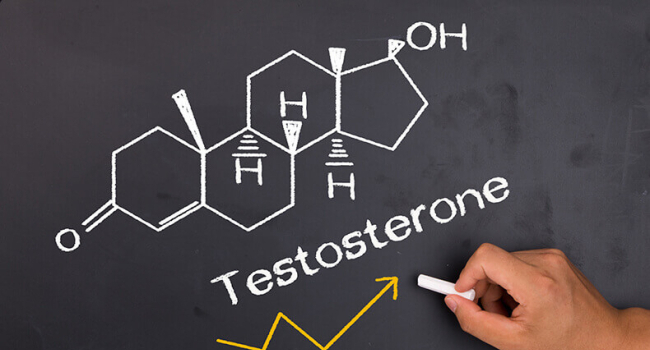
Testosterone levels in men at age 31 are not associated with substantial differences in self-rated health or quality of life by age 46. This is the conclusion of researchers who analyzed data from nearly 2,700 men in Finland. The findings were published in the journal Endocrine Connections.
The researchers used data from the Northern Finland Birth Cohort 1966. They measured participants’ testosterone levels at age 31 and divided the men into four groups, ranging from the lowest to the highest levels. At age 46, participants rated their own health and completed a questionnaire assessing 15 aspects of quality of life, including physical functioning, breathing, mood, and sexual activity.
Overall, 63.9% of the men who answered questions about their health rated it as good or excellent, 32.1% described it as average, and 4% rated it as poor or very poor. The researchers found no substantial differences between groups with different testosterone levels. Average quality-of-life scores were high across all four groups.
However, men with the lowest testosterone levels were more likely to have certain metabolic and gastrointestinal conditions. After waist circumference was taken into account, these differences were no longer statistically significant. This suggests that obesity may play an important role in the relationship between hormonal status and health.
Substance use disorders were also less common among men in the lowest-testosterone group. In addition, men in this group had slightly better overall quality-of-life scores after statistical adjustment. However, the difference was small, and comparisons across all four groups revealed no significant differences.
Some findings concerned individual measures. Men with the lowest testosterone levels had higher scores on the depression-related scale of the quality-of-life questionnaire, and this association persisted after accounting for other factors. However, the study cannot establish why this difference occurred. The findings on lung diseases were also considered insufficiently reliable because of the large number of missing responses.
Follow NEWS.am Medicine on Facebook and Twitter

- Video




- Event calendar
- Archive
- Most read
month
week
day
- Scientists Rejuvenate Cells by More Than 60 Years for the First Time 511
- PLOS One: A Short Strength-Training Routine Improved Balance and Strength in Adults Over 65 459
- Scientists Use ChatGPT-Like Technology to Assess Stroke Risk From Human DNA 457
- Nubar Afeyan’s Company Tests Skin Cancer Vaccine: Risk of Recurrence Falls by 42% 442
- LSD does more than disrupt brain rhythms: It speeds them up and increases signal complexity 437
- How Ultra-Processed Foods Affect Children's Brains: Study Links Brain Activity to Weight Gain 436
- bioRxiv: Cholesterol May Interfere with the Brain’s Ability to Clear Toxic Proteins 427
- From Cancer to Alzheimer's Disease: Scientists Call for a Major International Human Microbiome Research Initiative 427
- Scientists Create Immune Cell Atlas That Could Help Assess Cancer Risk and Premature Death 390
- A Simple 15-Minute Procedure Helped Patients with Carpal Tunnel Syndrome Avoid Surgery 389
- Mice Help Scientists Uncover the Cause of a Rare Disease 383
- New mRNA Vaccine Reduces Risk of Melanoma Recurrence After Surgery by 42% 379
- Frontiers: A Diverse Diet May Reduce the Risk of Peptic Ulcers in Older Adults 340
- Alzheimer’s & Dementia: Just a Few Days of Extreme Heat a Year May Be Linked to Dementia Risk 325
- WHO Comments on First Documented Human Death Linked to Shamonda Virus 305
- Find us on Facebook
- Poll