


- Latest news▼
-
12:29, November 5 It's Not Just Sleep Duration: Bedtime May Also Affect Body Weight

-
10:42, November 5 The Number of People with Anorexia and Bulimia Could Reach 21.8 Million by 2050

-
08:36, November 5 Scientists Create Molecular Map of Breast Cancer, Uncovering Previously Unknown Tumor Subtypes
-
22:34, November 4 One Pill Instead of Two Medications: New Approach Improves Diabetes Control

-
20:29, November 4 Cannabis Use Linked to Higher Stroke Risk, Study Reveals Unexpected Pattern

-
18:41, November 4 Nature Medicine: Cervical Cancer Deaths Projected to Rise by 39.3% by 2050

-
16:33, November 4 Journal of Neurology: Long-Term High BMI Linked to Memory Decline

-
12:34, November 4 Banning Sweets Can Make Them More Tempting: How Parental Restrictions Shape Children's Eating Habits

-
10:46, November 4 Overtraining May Disrupt Dopamine Regulation in the Brain, Study Finds

-
08:31, November 4 Too Much Exercise May Harm the Brain: Scientists Discover Unexpected Effects of Overtraining

-
20:32, November 3 Child Dies of Measles in New York State for the First Time in 30 Years

-
18:24, November 3 Frontiers: Almonds May Help Lower "Bad" Cholesterol

-
16:36, November 3 AHA: Hypertension Before Pregnancy Increases the Risk of Congenital Heart Defects in Babies by 30%

-
10:21, November 3 Study: Activating Mitochondria May Slow the Growth of Cancer Cells
-
08:18, November 3 More Plant-Based Protein, Higher Testosterone? What a New Study Found

All materials
Scientists Create Molecular Map of Breast Cancer, Uncovering Previously Unknown Tumor Subtypes
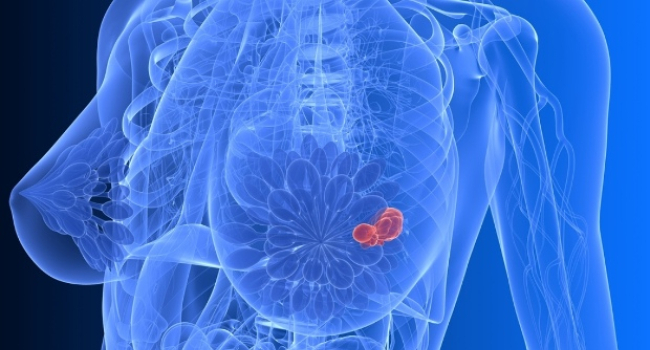
Researchers have created one of the largest molecular maps of breast cancer, identifying previously unrecognized tumor subtypes and potential therapeutic targets. In the future, this development could help doctors select treatments based on the molecular characteristics of individual tumors rather than relying solely on standard classifications.
The study was published in the journal Cell Reports Medicine. Researchers from Vanderbilt-Ingram Cancer Center in the United States combined data from more than 7,600 tumors across 22 independent studies.
To create the map, the researchers analyzed transcriptomes — collections of RNA molecules that reflect gene activity within a tumor. Using computational methods, they grouped tumors according to shared molecular characteristics, disease progression patterns, and treatment sensitivity.
The analysis showed that traditional breast cancer categories do not always capture important biological differences between tumors. In particular, some tumors with low estrogen receptor levels more closely resemble estrogen receptor-negative breast cancer than tumors typically classified as estrogen receptor-positive. This distinction could be important when selecting treatment.
The researchers also identified a previously hidden neuroendocrine subtype of breast cancer associated with less favorable outcomes following standard treatment. They identified the FGFR1 protein as a potential therapeutic target for this tumor subtype.
In addition, the map revealed subgroups of HER2-positive tumors that may be particularly dependent on the HER2 signaling pathway, as well as an aggressive subtype of triple-negative breast cancer that may be sensitive to drugs targeting specific signaling mechanisms involved in tumor growth.
The researchers also developed a tool that can classify tumors into the identified molecular subtypes using data from standard RNA sequencing. This could facilitate further research into newly identified forms of breast cancer and help identify suitable treatment approaches.
However, for now, this is a promising research tool rather than a proven method for improving treatment outcomes. The next step will be to determine whether selecting therapies based on the molecular map actually helps patients live longer and achieve better disease control.
Follow NEWS.am Medicine on Facebook and Twitter

- Video




- Event calendar
- Archive
- Most read
month
week
day
- Cancer Causes & Control: Nearly Half of Americans with a History of Cancer Continue to Drink Alcohol 684
- ABC News: Weight-Loss Drug Tested in the US Delivers More Than Twice the Results of Ozempic 605
- Armenia Outranks Azerbaijan and Georgia in Health Care Index 597
- Scientists Discover a Way to Reverse Heart Tissue Scarring Associated with Atrial Fibrillation 569
- ABC News: Surgeon Removes Patient’s Prostate Tumor While 55 Kilometers Away 540
- Japan Performs World's First Stem Cell Transplant in a Patient with Parkinson's Disease 535
- Comfort Food: Scientists Find a Link Between Emotional Expectations and Eating Habits 511
- Blood Test May Reveal Prostate Cancer Risk Decades Before Diagnosis 508
- Wildfire Smoke Exposure During Pregnancy Increases Autism Risk in Children 508
- Science Advances: People with Dementia Had an Older “Speech Age” 503
- Glioblastoma Forces Brain Cells to Help It Grow: Study Reveals a New Mechanism 492
- What Happens After Using Psychedelics Outside Clinical Settings? Researchers Analyze 25,000 Support Calls 455
- Vegans Found to Have Less Diverse Gut Microbiomes Than Omnivores 448
- LRH Americas: Diet and Exercise Program Achieves Diabetes Remission in 54% of Patients 442
- IJP: Music Reduces Cortisol Levels More Than Twice as Much as Pink Noise 428
- Find us on Facebook
- Poll