
 make preferable
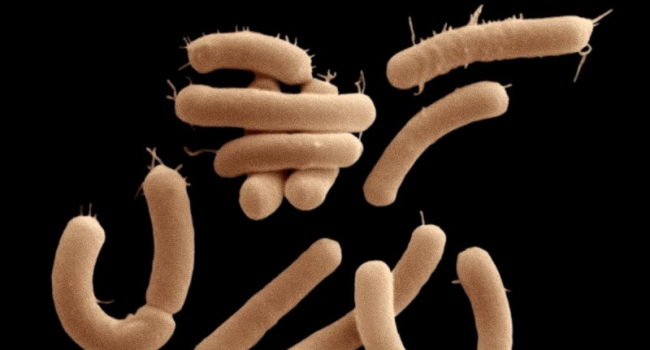
Bacteria have been discovered in our guts that depend on one of our brain chemicals for survival. These bacteria consume GABA, a molecule crucial for calming the brain, and the fact that they gobble it up could help explain why the gut microbiome seems to affect mood.
Philip Strandwitz and his colleagues at Northeastern University in Boston discovered that they could only grow a species of recently discovered gut bacteria, called KLE1738, if they provide it with GABA molecules. “Nothing made it grow, except GABA,” Strandwitz said while announcing his findings at the annual meeting of the American Society for Microbiology in Boston last month.
GABA acts by inhibiting signals from nerve cells, calming down the activity of the brain, so it’s surprising to learn that a gut bacterium needs it to grow and reproduce. Having abnormally low levels of GABA is linked to depression and mood disorders, and this finding adds to growing evidence that our gut bacteria may affect our brains.
Strandwitz is now looking for other gut bacteria that consume or even produce GABA, and he plans to test their effect on the brains and behaviour of animals. Such work may eventually lead to new treatments for mood disorders like depression or anxiety.
“Although research on microbial communities related to psychiatric disorders may never lead to a cure, it could have astonishing relevance to improving patients’ quality of life,” said Domenico Simone of George Washington University in Ashburn, Virginia.





