
 make preferable
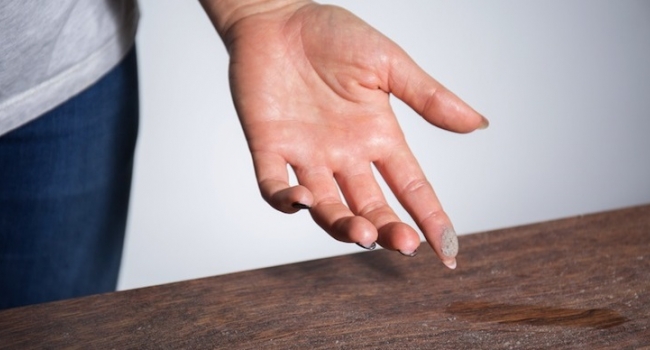
The dust in our homes and the air we breathe harbor a complex stew of chemicals. Some, like oxygen, sustain life. Others are pollution stemming from things like car exhaust or from tiny scraps of household products. A pair of new studies adds a level of much-needed detail about exactly how widespread such toxic exposures can be.
A new analysis, published Wednesday in Environmental Science & Technology, reaffirmed that consumer product chemicals including phthalates, phenols and flame retardants are ubiquitous components of household dust. These substances are present at such high levels that researchers say it is likely we are inhaling and accidentally eating small amounts of these chemicals every day, although we don't yet know whether this level of exposure is enough to do harm.
Such exposures occur after the chemicals flake off of products including building materials, electrical cords or perfume, says senior author Ami Zota, a professor of environmental and occupational health at The George Washington University. To better understand the scale of such exposures she and her colleagues collected the findings of 26 peer-reviewed studies and one unpublished data set on indoor dust samples from 14 states. The samples came from urban, suburban and rural settings, and included houses as well as other locations like schools and workplaces. The 10 most common chemicals in the study were found in over 90 percent of samples, which suggests they come from items present in most people's households and communities.
The most abundant chemical in the analysis was di(2-ethylhexyl) phthalate (DEHP), a phthalate that is used in flexible plastics as well as in cosmetics and personal care products. In mice and rats, ingesting high doses of DEHP interferes with the development of the male reproductive system and is linked to liver cancer. When the investigators ranked the chemicals according to how much preschool-aged children were likely to ingest, the flame retardant tris(2-chloroethyl) phosphate (TCEP) came out on top. TCEP has been linked to cancer and brain damage in mice, but like many of these household chemicals we don't know whether it might be dangerous to humans.
An important limitation of the study is that it only looked at the types and amounts of chemicals present in dust—not the health of people who spent time in places where the dust was collected. For many of the chemicals, we don't yet know what amount should be considered hazardous for long-term exposure, Zota says. And we don't know whether some of the chemicals might be more harmful in combination than they are individually.
Tracey Woodruff, who was not involved with the new analysis, calls the work a “great contribution” to the study of chemicals in household dust. She's the director of the Program on Reproductive Health and the Environment at the University of California, San Francisco, and she was previously a senior scientist and policy analyst at the U.S. Environmental Protection Agency. “The dust is out there. We know the chemicals are in the dust,” she says. “Now we have a better picture of what that looks like and also what we’re going to be ingesting, which is really important for thinking about risks.”





