make preferable
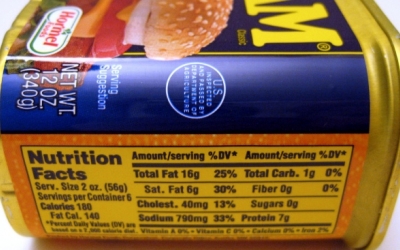
If you scan the Nutrition Facts labels of food at the grocery store before buying, you’re a smart shopper. Knowing the value of your food helps you make good decisions about what you put on your plate — and in your body, reports Health Cleveland Clinic.
The U.S. Food and Drug Administration (FDA) has proposed changes to make the label even easier to understand. Below, get a closer look at a few of those future changes — and the health reasons behind them.
After more than 20 years the US FDA is giving the Nutrition Facts label on foods a facelift. Below are five major changes and what they mean for you.
1. Bigger, bolder calorie information
The new label puts greater emphasis confesses on how many calories are in each serving.
2. Adding 'added sugar'
For the first time ever added sugar – sugar that does not come in foods naturally – is shown on the label.
3. New vitamins on the label
The label replaces vitamins A and C with vitamins D and potassium. Vitamin D is crusial for bone health and plays role in type 1 diabetes and other conditions, yet fewer than 10% of adults 50 or older get enough. And potassium is important for controlling hypertension, but men and women both fall below recommended intake.
4. Separating good fat from bad
On the new label, 'callories from fat' is gone as a line item.
5. A focus on serving sizes
'Serving per container' get bigger and more prominent on the label. And the FDA is proposing the dual column labels to show both per serving and per package info for certain foods.