make preferable
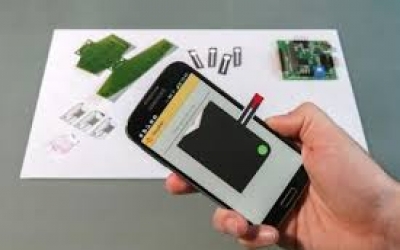
Researchers have created a smartphone device that can perform blood tests - a creation they say could "improve the quality of life" for people undergoing treatment for the prevention of blood clots, Medical News Today reports.
The formation of blood clots in the arteries and veins can increase the risk of heart attack and stroke. Individuals at high risk of blood clots are often treated with anticoagulants - drugs that thin the blood and prevent the clotting process.
However, anticoagulant therapy requires patients to undergo frequent monitoring of blood flow in the hospital. Furthermore, if a person takes the wrong dosage of anticoagulants, this can cause cardiovascular problems rather than help reduce them.
With this in mind, researchers from Qloudlab - a start-up company based in the microengineering laboratory of the École Polytechnique Fédérale de Lausanne (EPFL) in Switzerland - have created a device that could allow patients undergoing anticoagulant therapy to self-monitor.
How does the device work?
The gadget consists of a small single-use film that is attached to the screen of a smartphone. The film is made of a microstructured plastic layer that is a few micrometers thick. The creators say the smartphone device (pictured) could improve quality of life for patients undergoing anticoagulant therapy. When blood enters the film through capillary action, it can detect a molecule present in blood that initiates coagulation - the process by which blood forms clots.
The phone is then able to interpret the results by analyzing interferences in the electric field on the surface of the smartphone's screen. The results are then sent to a specific smartphone app.This data can then be sent directly to a doctor, who can assess whether a patients' treatment needs to be modified.
The team hopes that by the end of next year, they will have shown that the device is as reliable as a laboratory test and can progress toward commercialization. It seems that combining smartphones with self-monitoring is becoming increasingly popular.