
 make preferable
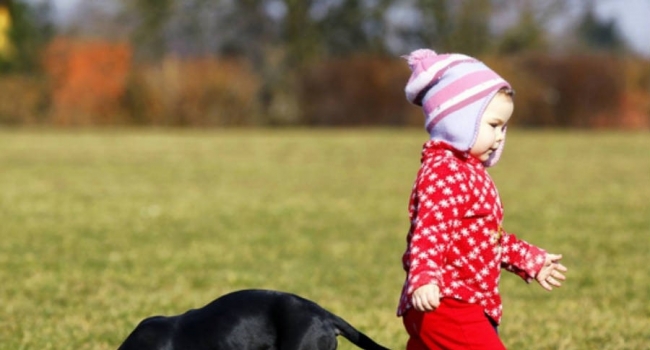
Researchers have found that dogs may be more similar to people than previously thought.
In a study published in the journal Animal Behavior, Evan MacLean, director of the Arizona Canine Cognition Center, and colleagues showed that dogs share similar social intelligence patterns with 2-year-old children, much more than what human children share with chimpanzees, one of their closest relatives.
The researchers assessed 552 dogs, which included pets, military explosive detection dogs, and assistance-dogs-in-training, of various breeds. To test for social cognition, MacLean, Brian Hare, Esther Herrmann, and Sunil Suchindran used game-based approaches where toys and treats were hidden and their location communicated to dogs via nonverbal instructions such as looking or pointing at a certain direction.
Data gathered from the dogs were then compared to results from 105 2-year-olds who completed a similar series of cognitive tests earlier and 106 chimps from an African wildlife sanctuary, and the researchers found that dogs and children outperformed chimps on cooperative communication tasks which assessed for the ability to follow human gaze or a pointing finger. However, the chimps did better than dogs and children when it came to tests that involved spatial reasoning and the physical environment.





