make preferable
As a sports nutritionist, Cynthia Sass is always on the lookout for research about how various foods can enhance athletic performance, speed recovery, and build muscle mass. Here are some foods currently on her "eats for athletes" list on Fox News channel.
Beet juice for stamina
Recent research shows that this ruby red root veggie may be more effective at boosting energy than caffeine, or nearly anything you'll find in the supplement aisle.
Honey for endurance
Research conducted at the University of Memphis Exercise and Sport Nutrition Laboratory found that consuming honey before exercise provides "time-released" fuel to give athletes steady blood sugar and insulin levels over a longer duration. This natural sweetener also boosted power, speed, and endurance in competitive cyclists who downed it prior to and at 10-mile intervals throughout a 40-mile race. Enjoy it straight off a spoon, or mix it into a pre-workout snack like oatmeal.
Pea protein to delay muscle fatigue
Pea protein powder is rich in branched chain amino acids, compounds that have been shown to delay fatigue during exercise. The arginine in this powder (which is made from yellow peas) has also been shown to enhance immunity, while the lysine boosts calcium absorption and decreases calcium losses to help maintain strong bones. One scoop can pack more than 25 grams of lean protein, which can be whipped into a smoothie along with almond milk, a dollop of almond butter, cinnamon, and frozen cherries or berries.
Blueberries to reduce inflammation
When fresh blueberries aren't practical, reach for dried or freeze dried options to stash in your gym bag.
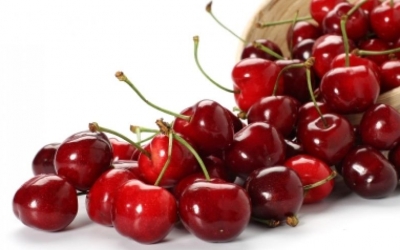
Tart cherries to fight pain and regain strength
Scientists found that the cherry juice had a significant effect on pain reduction. Fresh tart cherries are only in season in late summer, but frozen and dried options are becoming easier to find.
Salmon to build muscle
The omega-3 fatty acids found in fatty fish like salmon have been linked to a laundry list of benefits, from fighting heart disease to staving off type 2 diabetes. But animal research shows it may also be a potent muscle booster
Watermelon to reduce muscle soreness
Recently, Spanish sports medicine scientists discovered that watermelon juice helped relieve muscle soreness. The effect is likely due to citrulline, a natural substance found in watermelon that's been tied to improved artery function and lowered blood pressure . And when you eat it fresh, be sure to bite into the white rind a bit—that's where citrulline is found in higher concentrations.
Pomegranate for muscle strength recovery
The antioxidants in pomegranate have been linked to enhanced memory and brain activity, and now researchers at the University of Texas at Austin report that pomegranate juice helps improve muscle recovery. Pomegranate is a winter fruit, but you can find frozen options year-round. Just thaw and add to oatmeal, parfaits, or garden salads. Small shots of 100 percent juice are also a good option.
Coffee for next-day energy
A recent study published in the Journal of Applied Physiology found that glycogen, the body's storage form of carbohydrates, is replenished more rapidly when athletes consume both carbs and caffeine following exhaustive exercise.
Watercress to reduce DNA damage
Watercress makes a wonderful salad base and, like spinach and kale, it can be whipped into a smoothie.
Dark chocolate to curb exercise-induced stress
Numerous studies support the myriad benefits of dark chocolate and new research published in the European Journal of Nutrition adds exercise protection to the list. Enjoy a few individually wrapped squares of dark chocolate daily, melt and drizzle it over fresh fruit, or mix it into oatmeal, smoothies, or parfaits.