make preferable
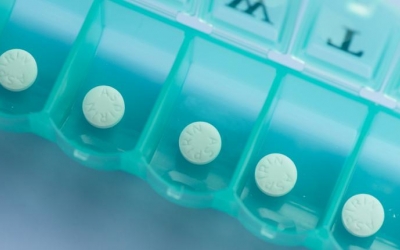
“An aspirin a day will keep heart attacks away''. While this is the case for many people around the country, the Food and Drug Administration (FDA) announced on Monday that the risk of side effects may outweigh the benefits, especially in people who haven’t experienced a stroke or heart attack — a practice known as “primary prevention,” the Medical Daily reported.
At best, the effects of aspirin on people without heart conditions are inconclusive. The FDA noted that the data does not “support the use of aspirin as a preventive medication by people who have not had a heart attack, stroke, or cardiovascular problems,” and that these people may instead experience side effects such as “dangerous bleeding into the brain or stomach.” In fact, one study found that using too much aspirin, and ibuprofen, may increase the risk of stroke, as companies add sodium to the drugs in order to improve absorption. Another one found that long-term use, as is common with people undergoing preventive treatment, may result in vision loss.
Aspirin works by thinning blood to the point that it’s unable to clot, therefore preventing obstruction in the arteries, and allowing blood to travel to the heart. Patients who are already at risk of heart problems and stroke can obviously benefit from taking aspirin, but those who aren’t may be thinning their blood for no reason. Dr. Robert Temple, deputy director of clinical science at the FDA advises anyone looking into daily aspirin therapy to speak with a physician, who can weigh the risks and benefits while also prescribing a specific dose — doses range from 80 milligrams to 325 milligrams.
“It is critical that patients who are already on aspirin therapy remain so,” spokesman for aspirin maker Bayer Chris Loder said in a statement, according to Reuters. “No one should stop or modify their aspirin regimen without first consulting with a health care provider. For those already on aspirin therapy, suddenly stopping can be dangerous.”