
 make preferable
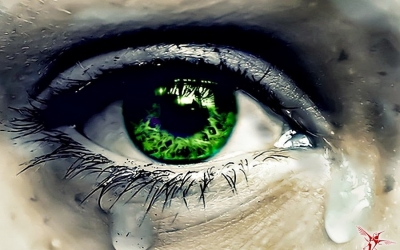
We humans cry when we’re damaged or hurt, grateful or yearning, overjoyed or simply overwhelmed. Composing the tears that stream down our faces is a constellation of proteins, enzymes, antibodies, minerals, and hormones, the Medical Daily reported.
And it’s a chemistry photographer Rose-Lynn Fisher sought to capture in her recent collection, The Topography of Tears. Fisher compiled 100 different tears under a standard light microscope and photographed each one to offer a slice of humanity that, to the naked eye, rolls out anonymously. These include tears of grief, laughter, the tears from cutting an onion, and tears of change, among many more.
In fact, our bodies produce three main types of tears: basal tears, reflex tears, and psychic tears.
In mammals, basal tears are what keep the cornea nourished and the rest of the eye dust- and dirt-free. Then there are reflex tears, which, like their name implies, release when the eye gets irritated. A classic example of reflex tears are those you cry when chopping an onion.
And the last type, psychic tears deal with emotional crying. These make up the bulk of Fisher’s project. Psychic tears differ from basal and reflex tears in that their chemical makeup contains more of the protein-based hormones prolactin, adrenocorticotropic hormone, and leucine encephalin — a natural painkiller.
:

Basal tears:

:

:

:

:






