make preferable
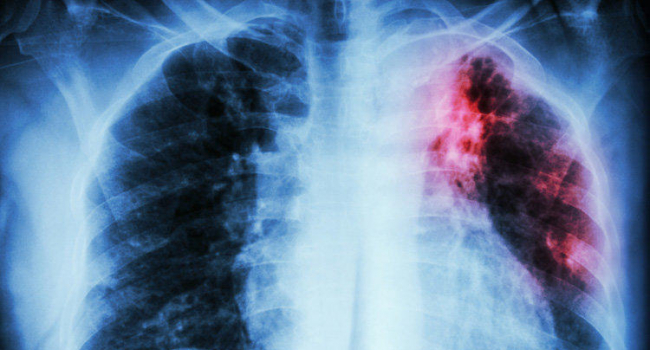
Specialists from the Weizmann Institute of Science (Israel) have developed an algorithm to predict the risk of developing tuberculosis and several other infectious diseases, Xinhua reported.
The algorithm is based on the analysis of the initial contact of the bacterium with the immune system.
Scientists followed the ‘meetings’ of immune cells and salmonella using blood samples taken from patients and after analyzing the data, they created an algorithm that could determine the cellular composition, the level of cell activation and their reaction potential.
Then scientists tried to understand whether it is possible to use an algorithm to ‘predict’ the risk of developing tuberculosis caused by mycobacteria, which for many years has been able to remain in the human body in a ‘dormant state’.
It turned out that the levels of monocyte activity (immune cells) can be used to predict the onset or course of the disease.