
 make preferable
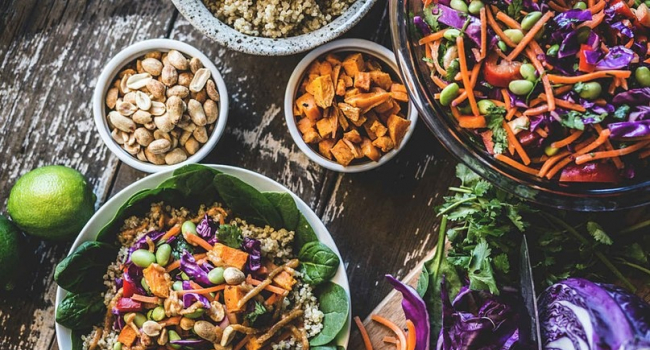
A diet rich in plant foods makes the gastrointestinal tract less susceptible to infectious agents, including the dangerous E. coli EHEC strain of E. coli, which causes hemorrhagic colitis, said experts from the University of Texas.
According to Eurek Alert, plant food contains a lot of pectin - a gel-like substance that is processed by bacteria in the intestines into galacturonic acid, which can suppress EHEC.
Scientists conducted a study on mice, which showed that the intestines have a protective barrier. But pathogens, including EHEC, overcome this barrier by using a secretion system called T3SS, which act as molecular syringes by injecting a mixture of proteins into the cells lining the intestines. As a result, inflammation and symptoms of infection develop.
Researchers also found that pathogens - common E. coli and EHEC - use different sugars as nutrients. In this case, the EHEC strain can adapt to a lack of nutrients: as soon as the sugar acid is depleted, the pathogen changes its survival strategy. Normally, the acid is used by bacteria in the signaling pathway, which enhances the pathogenicity of EHEC.





