make preferable
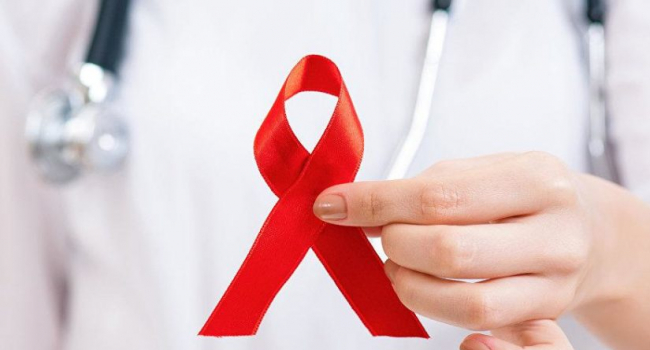
Scientists drew attention to an interesting fact: in the Democratic Republic of the Congo, the proportion of people whose HIV infection does not progress is 3-4 times higher than in the rest of the world, EBioMedicine reported.
Understanding the causes of such resistance to infection can accelerate the emergence of vaccines and new drugs.
People infected with the human immunodeficiency virus (HIV) usually live for about 10 years without treatment. They need antiretroviral therapy to prolong life and prevent AIDS. However, in some people - about 1% of those infected - the disease progresses very slowly.
In a new international study, researchers found that in the Democratic Republic of the Congo, the proportion of elite HIV controllers is unusually high, ranging from 2.7% to 4.3%.
In the study, the researchers worked with blood plasma samples collected from 10,457 patients in the DRC since 1987. They conducted tests to determine HIV and its antibodies.
According to scientists, the DRC is an area in which HIV has been circulating for several decades, and the oldest strains of the virus have been identified there. Perhaps this is one of the reasons for the appearance of an unusual number of elite controllers there. They also suggest that a large proportion of HIV-resistant people may have appeared in the DRC due to the fact that treatment was not available in the country for a long time.