make preferable
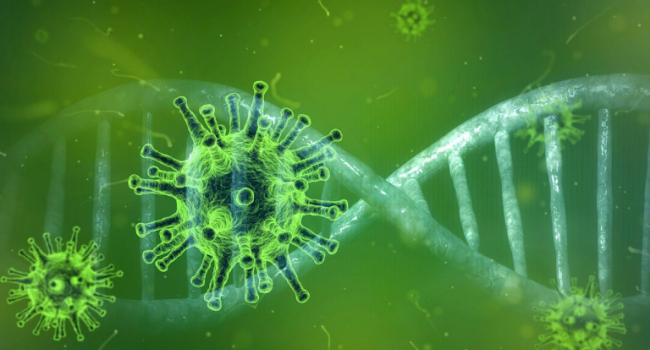
More than 20,000 years ago, the coronavirus, or a similar pathogen, unleashed an epidemic in the East Asia region.
According to the study, genetic traces of this outbreak are still present in the genomes of people living in the region.
Researchers analyzed data from the 1000 Genomes Project, wanting to find out if ancient coronavirus epidemics, if any, could somehow affect human susceptibility to viruses, including SARS-CoV-2, at present.
Scientists were looking for characteristic traces of this selection in 420 proteins that interact with coronaviruses (CoV-VIP) among 26 different human populations. Among all CoV-VIPs, 332 proteins interacted with SARS-CoV-2, and 88 were mentioned in the scientific literature as associated with various coronavirus infections (SARS-CoV-1, MERS, and HCoV-NL63, which causes moderate SARS).
It turned out that the frequency of such genes is significantly increased in many populations of East Asia, which is not observed in other groups of people. This indicates the emergence of other coronavirus epidemics in the region in the past.
All modern coronavirus outbreaks, including SARS, MERS, and COVID-19, originate from East Asia, scientists say. The region has likely served as a natural reservoir for coronaviruses for the past 25,000 years, the study shows.