
 make preferable
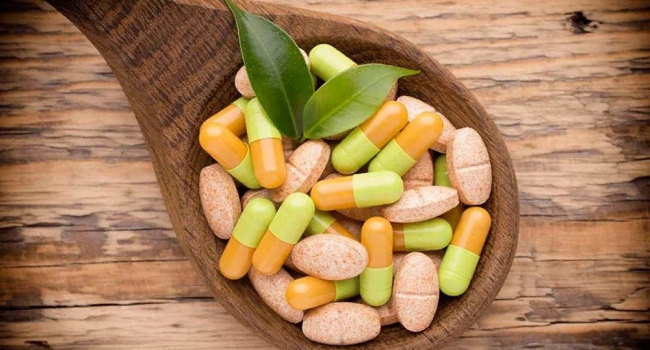
Probiotics are not always beneficial: a new study has found that Lactobacillus bacteria found in probiotics can reduce immunity in pancreatic cancer, contributing to a poor outcome, reveals an article by the journal Immunity.
Scientists at the University of Toronto and the University Health Network (Canada) found that Lactobacillus change the function of macrophages, immune cells that are present in every organ and in all tissues and absorb pathogenic bacteria cells, defective cells and various foreign compounds. Intestinal microorganisms absorb the amino acid tryptophan, found in plant and animal foods, and metabolize it into indoles. These bind to the aryl hydrocarbon receptor AHR, a protein usually found in the cytosol but which, when activated, travels to the cell nucleus where it regulates gene expression.
The study showed that removal or inhibition of AHR in macrophages reduced pancreatic ductal adenocarcinoma growth, increased sensitivity of tumor cells to immune response checkpoint inhibitors, and increased the number of immune CD8+T cells destroying defective cells. In patients with adenocarcinoma, increased AHR activity led to rapid disease progression and high mortality.
Pancreatic ductal adenocarcinoma is one of the most aggressive cancers and the most common type of pancreatic cancer. It is difficult to treat, and patient survival has not increased over the past three decades, unlike survival rates for other cancers. The worldwide mortality rate is about 93%.





