
 make preferable
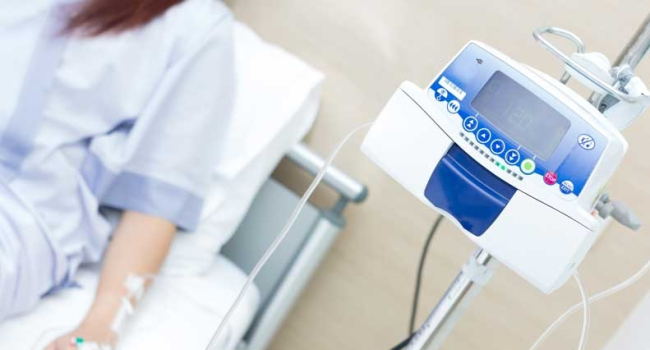
The blood-brain barrier prevents foreign substances from entering the brain. This is good when it comes to toxins and pathogens, but it also complicates the treatment of brain tumors, because the blood-brain barrier prevents chemotherapy drugs from entering the brain.
William Walker, a researcher at the School of Medicine of West Virginia University, decided to study the operation of the blood-brain barrier depending on the time of day. He found that the operation of the barrier is actually dynamic, not static. This could mean that the right timing of chemotherapy treatment increases the effectiveness of the therapy.
The journal Frontiers in Oncology reports that the scientists administered chemotherapy to mice with breast cancer that had metastasized to the brain. Some of the mice were treated in daylight. Mice that lead nocturnal lifestyles are usually at rest during the day. Other animals received them in the dark, which is when they are active.
The researchers noticed that the chemotherapy they administered in the dark killed more tumor cells than in the light. Chemotherapy in the dark also did a better job of eliminating neurological symptoms, such as strange gait and loss of muscle control. The median survival of the group of mice that received chemotherapy in the dark increased by about 20%.
However, many questions remain. Is the human blood-brain barrier variable? If so, at what time of day would it be more susceptible to chemotherapy? Do the fluctuations reflect the fact that people lead daytime lifestyles (are more active during the day), or are they a consequence of light exposure itself? In the not-too-distant future, scientists hope to find answers to all these questions.





